


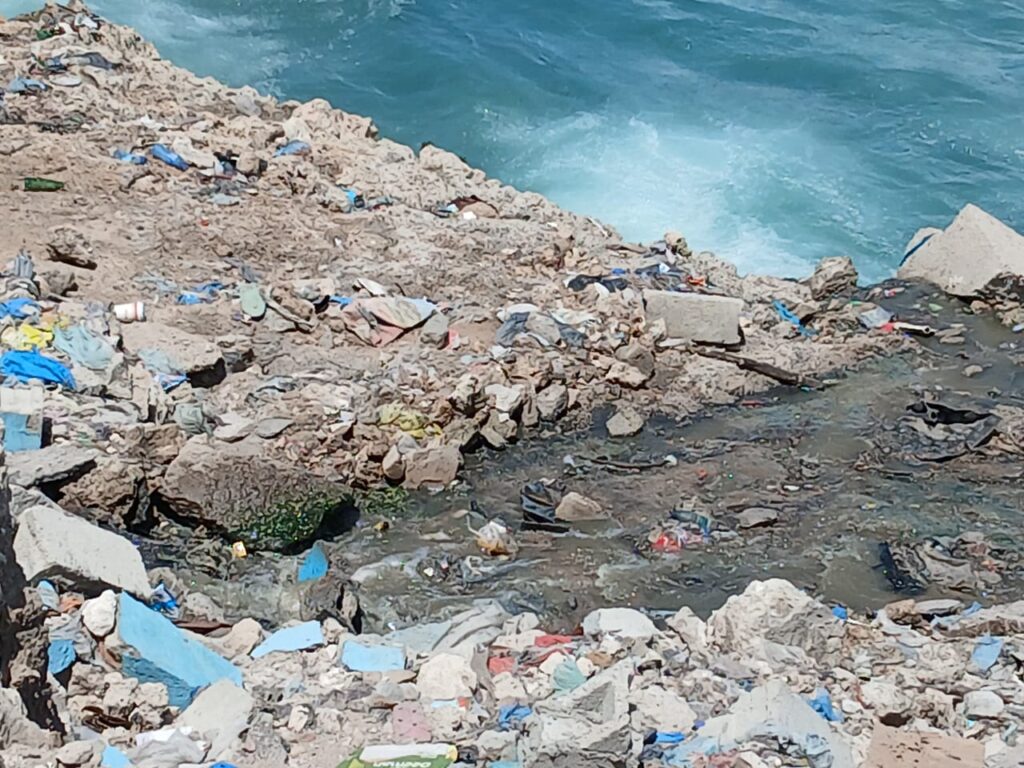

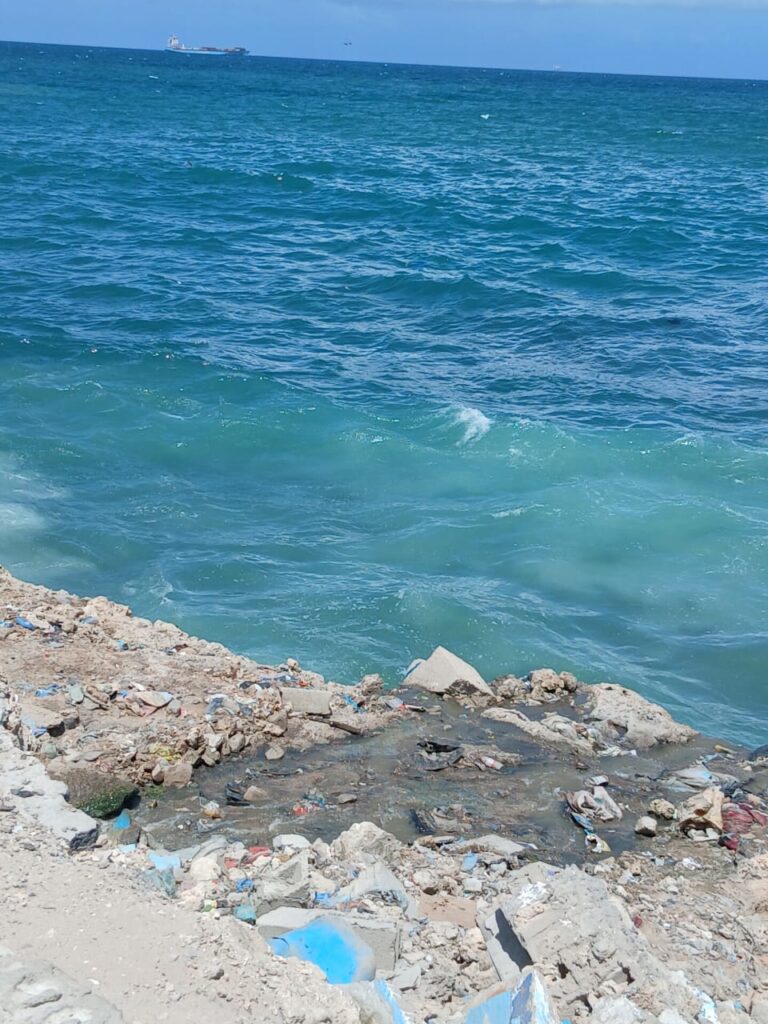
Urubo Beach, locally known as Curubo, is a coastal area located in Mogadishu, Somalia, near Liido Beach. The area was once known as a recreational and entertainment site and previously hosted the famous Urubo Hotel. Today, however, the coastal environment faces increasing environmental degradation and ecological disturbance.
Beyond its historical and social importance, Urubo Beach is ecologically valuable because it contains rocky shore habitats that support a variety of marine organisms, especially invertebrate species living within the intertidal zone. Rocky shore ecosystems often provide shelter, feeding grounds, and attachment surfaces for many coastal organisms adapted to wave action and changing tidal conditions.
However, the ecological condition of Urubo Beach is increasingly threatened by pollution, sewage discharge, poor waste management, and lack of environmental maintenance. These pressures can damage coastal habitats and reduce biodiversity over time.
Marine invertebrates and other coastal organisms are highly sensitive to environmental changes. Pollution and habitat degradation can force species to decline or migrate to less disturbed environments. In addition, untreated sewage and solid waste can reduce water quality, lower oxygen availability, and negatively affect the health of marine ecosystems.
Coastal degradation does not only affect marine organisms. It can also affect fisheries, tourism potential, public health, and the overall environmental quality of coastal communities.
Ecological Importance of Rocky Shores
Rocky shore ecosystems are important because they:
- Support diverse marine invertebrate species
- Provide habitat and feeding areas for coastal organisms
- Contribute to coastal biodiversity
- Help maintain ecological balance within nearshore ecosystems
Although rocky shores may appear physically harsh, they are biologically productive environments with complex ecological interactions.
Conservation Challenges
Several factors contribute to environmental pressure at Urubo Beach:
- Coastal pollution
- Sewage discharge
- Plastic and solid waste accumulation
- Habitat disturbance
- Lack of environmental monitoring
- Limited public awareness about marine conservation
Without proper management, these environmental pressures may gradually reduce the ecological value of the area.
Possible Conservation Solutions
1. Government Regulation and Enforcement
Environmental laws and coastal management policies are essential for reducing pollution and protecting coastal ecosystems. Proper waste disposal systems and pollution control measures can help minimize habitat degradation.
2. Community Awareness
Public awareness is one of the most important conservation tools. Many people may not fully understand how pollution affects marine organisms and coastal ecosystems. Community education can encourage more responsible environmental behavior.
3. Environmental Education
Educating local communities, students, and fisheries-related groups about marine ecosystems can improve conservation efforts and promote sustainable interaction with coastal environments.
4. Coastal Cleanup and Restoration
Regular beach cleanup programs and habitat restoration activities can help improve environmental quality and reduce ecological stress on coastal organisms.
Conclusion
Urubo Beach is not only a historical and recreational site in Mogadishu but also an important coastal ecosystem that supports marine biodiversity. Protecting this environment requires cooperation between government institutions, local communities, environmental organizations, and public awareness initiatives.
Conserving coastal ecosystems such as Urubo Beach is important for protecting marine life, maintaining environmental health, and preserving Somalia’s coastal resources for future generations.
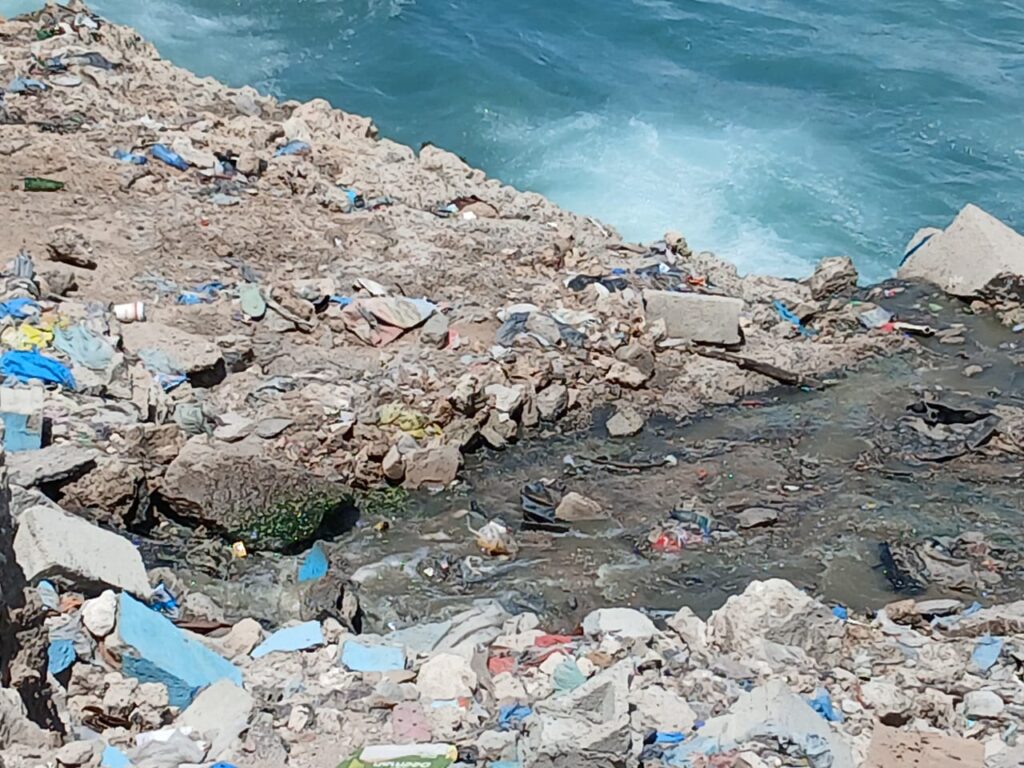
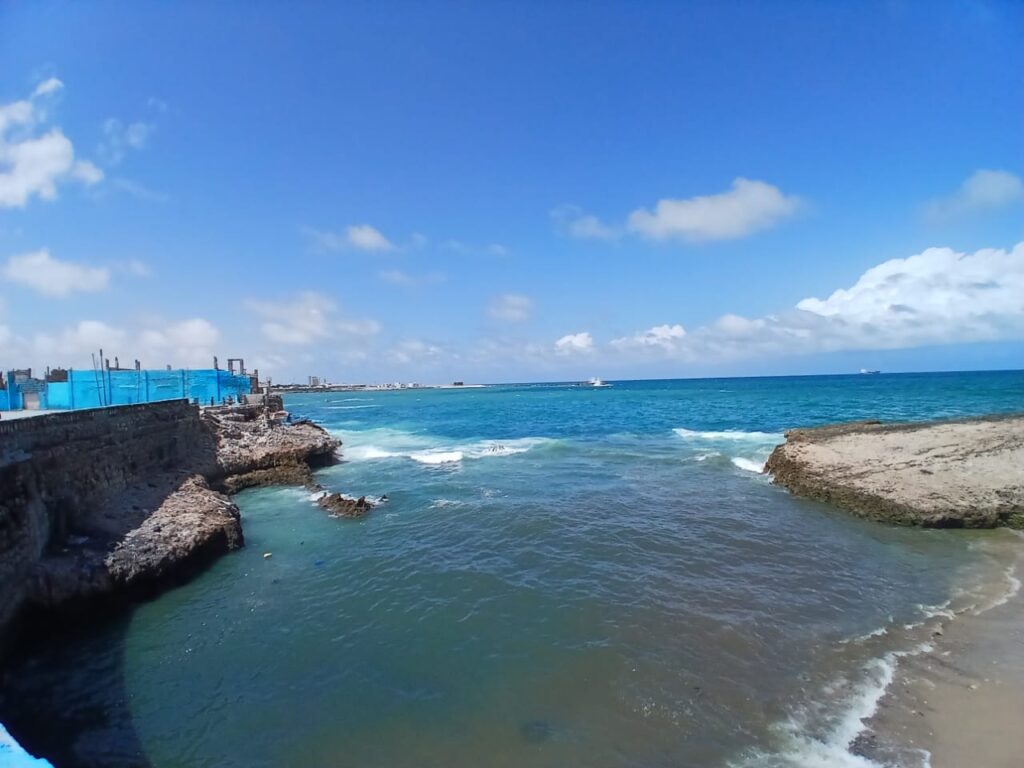
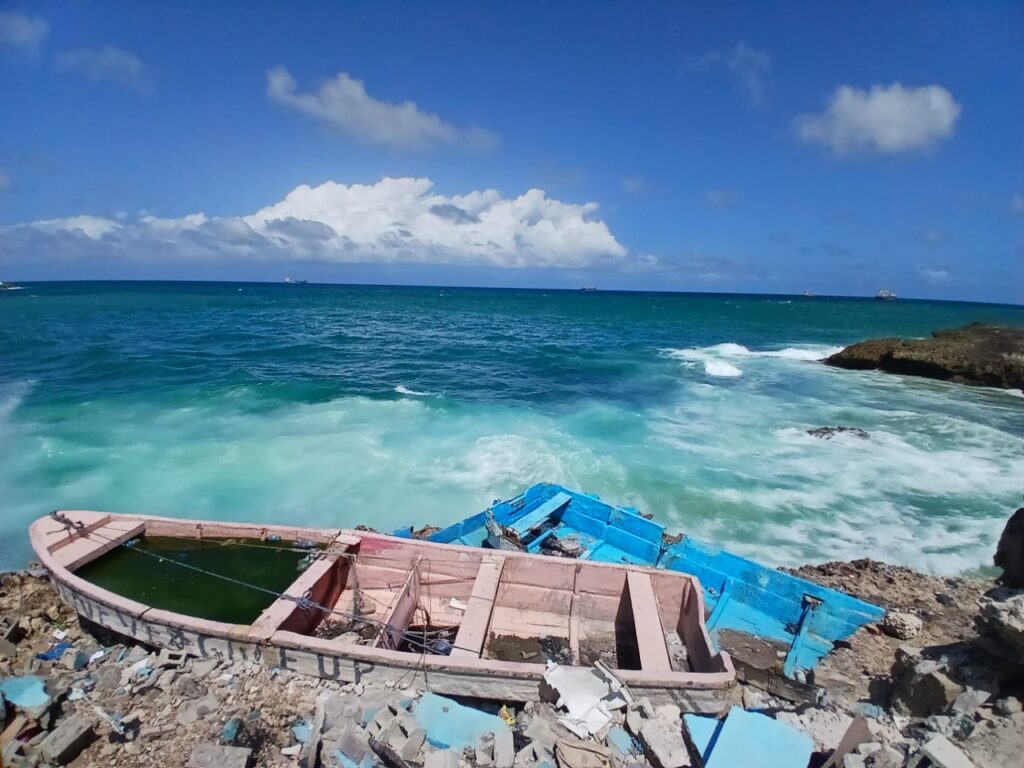
Field observations from Urubo Beach showing sewage pollution, plastic waste accumulation, and improper coastal waste management affecting the marine environment.