


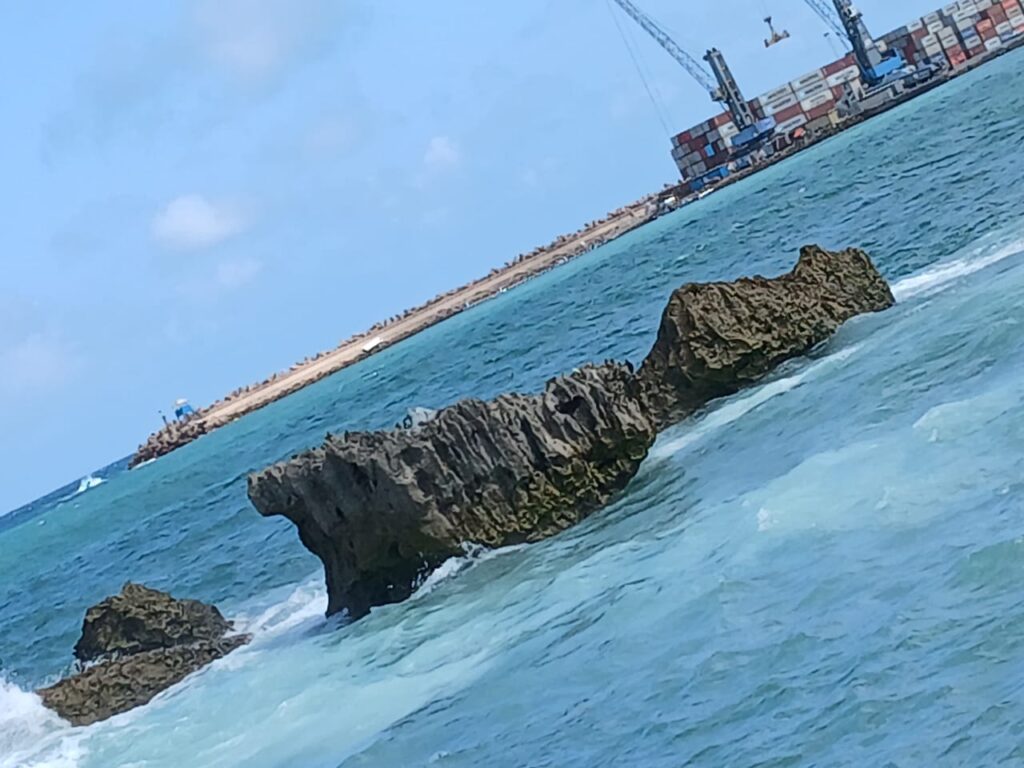
The ocean contains a wide variety of ecosystems, including rocky shore ecosystems that support diverse marine life. Rocky shores are dynamic coastal environments found where the ocean meets solid rock formations. These ecosystems are biologically important because they provide habitat for many marine organisms, especially invertebrate species adapted to harsh environmental conditions.
Rocky shore organisms experience constantly changing physical conditions such as wave energy, temperature fluctuations, tidal changes, and varying light exposure. As a result, species living in these habitats have developed different adaptations that allow them to survive within this challenging environment.
Some organisms survive by living inside tide pools that retain water during low tide, while others attach themselves firmly to hard substrates to resist strong wave action. Barnacles, mussels, and clams are examples of organisms that anchor themselves onto rocky surfaces to avoid being washed away by waves.
Intertidal Zonation
Rocky shore ecosystems are commonly divided into different intertidal zones based on tidal exposure.
Splash Zone
The splash zone is the highest part of the rocky shore and is only occasionally reached by seawater through wave splashes. Organisms living here are highly adapted to drying conditions and temperature stress. Species such as periwinkles and some snails can tolerate air exposure and survive with limited water contact.
Middle Intertidal Zone
The middle zone experiences regular tidal flooding and exposure. This area is commonly dominated by stationary filter feeders such as barnacles and mussels. Many of these organisms can retain moisture inside their shells during low tide, helping them survive temporary drying.
Lower Intertidal Zone
The lower zone is submerged most of the time and is only exposed during very low tides. It is usually the most biologically productive section of the rocky shore ecosystem. Seaweeds, sea urchins, sea stars, and other marine organisms are commonly found here due to greater water availability and nutrient access.
Food Web in Rocky Shore Ecosystems
Rocky shore ecosystems contain complex food webs supported by primary producers such as:
- Seaweeds
- Phytoplankton transported by tides
These producers generate energy through photosynthesis and form the foundation of the ecosystem.
Primary consumers include grazing organisms such as periwinkles and other herbivorous invertebrates that scrape algae from rock surfaces. Filter feeders like mussels and barnacles obtain food particles directly from seawater.
Predators such as sea stars feed on smaller organisms and help regulate ecological balance within the ecosystem.
Conservation Threats
Despite their ecological importance, rocky shore ecosystems face several environmental threats, including:
- Climate change
- Coastal habitat destruction
- Sewage pollution
- Plastic pollution
- Improper waste management
- Coastal urbanization
These pressures may reduce biodiversity and disturb ecological interactions within rocky shore habitats.
Rocky Shores in Somalia

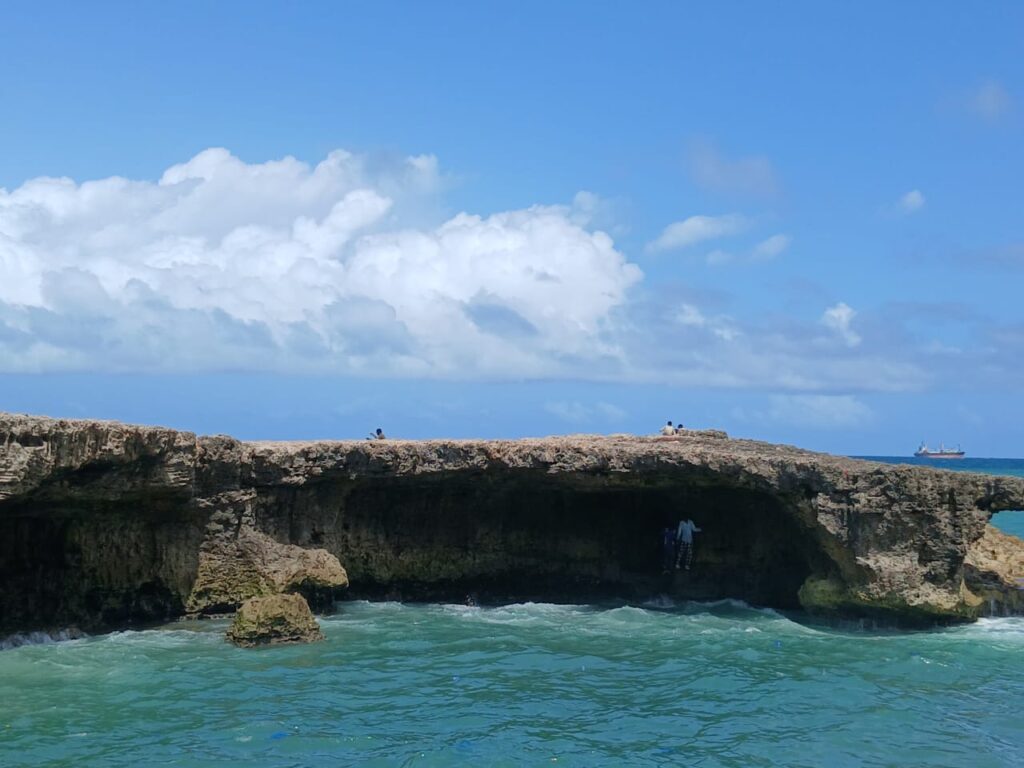
Somalia’s coastline contains several rocky shore environments that support marine biodiversity. One example is Urubo Beach (Curubo) along the Mogadishu coastline. This area contains rocky coastal habitats that support different invertebrate organisms and intertidal species.
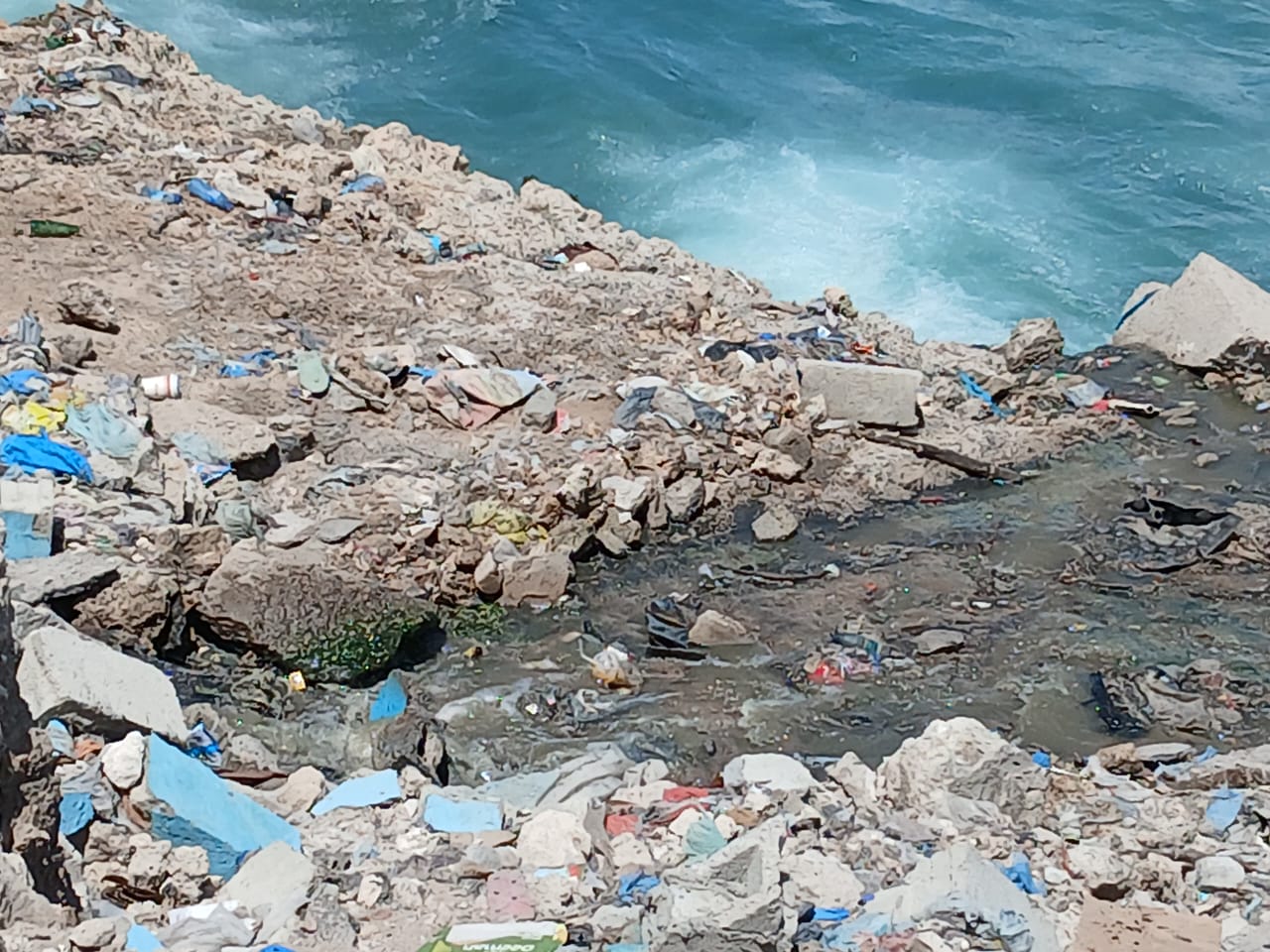
However, the ecosystem is increasingly affected by pollution, sewage discharge, and poor waste management, which threaten the health of coastal marine life and habitat quality.
Conclusion
Rocky shore ecosystems are among the most dynamic and biologically important coastal environments in the ocean. Their organisms are specially adapted to survive changing tides, wave energy, and environmental stress. Protecting these ecosystems is essential for conserving marine biodiversity and maintaining healthy coastal environments, especially along ecologically important coastlines such as Somalia’s marine shores.