


Introduction
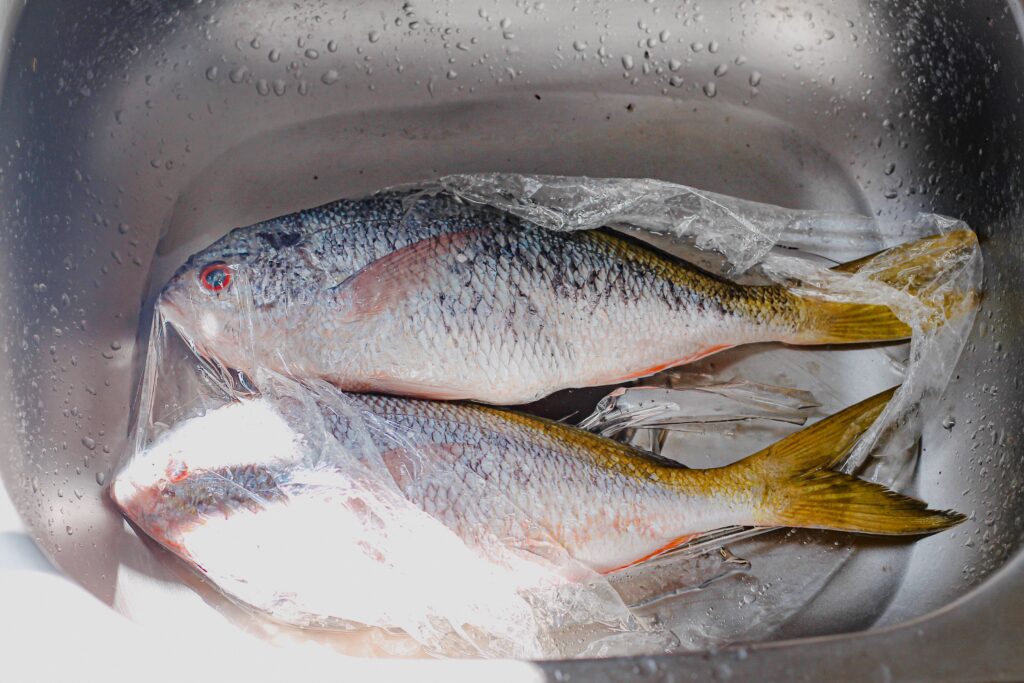
The Speckled Snapper (Lutjanus rivulatus), locally known in Somalia as Tartabo, is one of the most attractive members of the snapper family. This ray-finned marine fish is recognized by its beautiful spotted scales, blue markings on the head, and powerful body adapted for life around coral reefs.
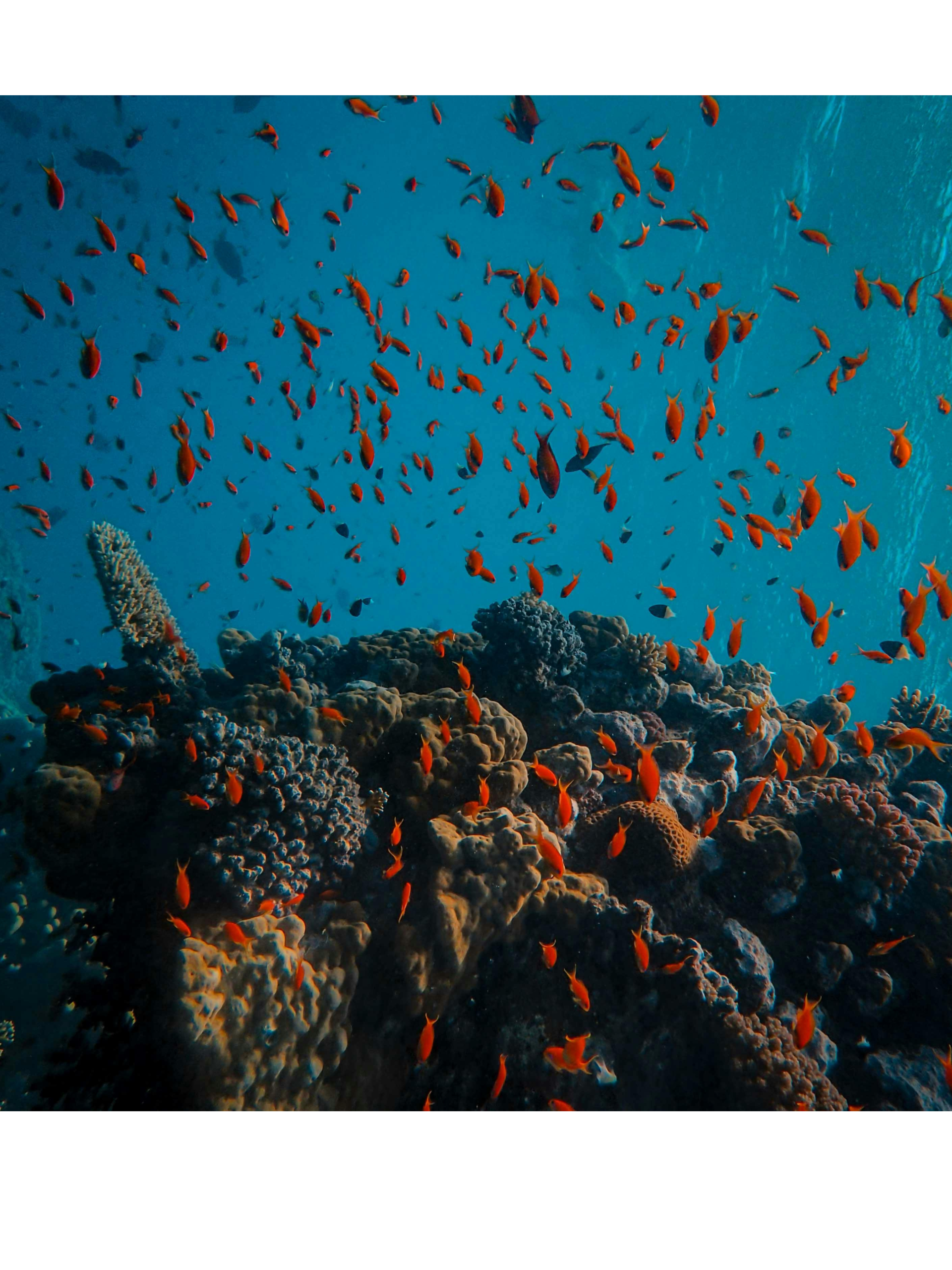
Although it receives less attention than tunas or groupers, the Speckled Snapper is an ecologically important predator that helps maintain healthy coral reef ecosystems. It also supports artisanal fisheries and provides an important food source for many coastal communities, including those along Somalia’s coastline.
Taxonomy
Kingdom: Animalia
Phylum: Chordata
Class: Actinopterygii (Ray-finned fishes)
Order: Perciformes
Family: Lutjanidae
Genus: Lutjanus
Species: Lutjanus rivulatus
Scientific name: Lutjanus rivulatus
Common English names
- Speckled Snapper
- Blubberlip Snapper
Somali common name
- Tartabo
Identification
The Speckled Snapper is a deep-bodied and stocky reef fish with striking coloration.
Its body is generally brownish to olive with lighter vertical bars extending along the sides. One of its most distinctive features is the network of bright blue wavy lines covering the head. The fins are edged with yellow, while each scale bears a silvery-blue spot, giving the fish a speckled appearance similar to the feathers of a guinea fowl.
Juveniles can easily be recognized by a conspicuous white spot on each side of the body, which gradually disappears as they mature.
Adults can grow to approximately 80 cm in total length and weigh as much as 12.3 kg, although smaller individuals are more commonly encountered.
Distribution
The Speckled Snapper has a wide distribution throughout the tropical Indo-Pacific region, including:
- East Africa
- Somalia
- Mozambique
- Kenya
- Tanzania
- Madagascar
- Red Sea
- Indian Ocean islands
- Southeast Asia
- Northern Australia
- Western Pacific Islands
Within Somalia, it is expected to occur wherever healthy coral reefs and rocky reef habitats are present along the country’s extensive coastline.
Habitat
This species inhabits coral reefs and rocky reefs from shallow coastal waters to depths of approximately 100 metres.
Adult fish commonly shelter beneath reef ledges, caves, and rocky overhangs during the day.
Juveniles occupy shallow reef flats, surf-zone reefs, and protected coastal gullies where they find shelter from predators until reaching adulthood.
Feeding Ecology
The Speckled Snapper is a carnivorous predator and an opportunistic feeder.
Its diet includes:
- Small reef fishes
- Crabs
- Crayfish
- Octopus
- Cuttlefish
- Polychaete worms
- Various benthic invertebrates
Using its powerful jaws and excellent vision, it hunts among coral reefs, helping regulate populations of smaller reef organisms and contributing to ecological balance.
Behaviour and Movement
Unlike highly migratory pelagic fishes, the Speckled Snapper is considered a highly resident reef species.
Most individuals spend their entire lives within relatively small home ranges measuring only a few hundred square metres.
However, scientific tagging studies have shown that approximately 5% of individuals undertake much longer movements exceeding 100 km, probably for reproduction or habitat exploration.
Reproduction
Speckled Snappers reach sexual maturity at approximately 45–50 cm total length.
Spawning generally occurs during the summer months in tropical regions.
Although many aspects of their reproductive biology remain poorly understood, adults gather in suitable reef habitats to reproduce, releasing eggs and sperm into open water where fertilization occurs externally.
Growth and Lifespan
This species grows relatively slowly compared with many smaller reef fishes.
Although precise ageing studies are limited, growth analyses indicate that Speckled Snappers may live for more than 30 years, making them a long-lived reef predator.
Ecological Importance
The Speckled Snapper plays an important ecological role within coral reef ecosystems.
As a mid- to top-level predator, it helps regulate populations of smaller fishes and invertebrates, preventing ecological imbalances.
Healthy populations of snappers contribute to the stability and biodiversity of reef ecosystems, which in turn support tourism, fisheries, and coastal protection.
Because this species depends heavily on healthy coral reefs, its abundance can also serve as an indicator of reef condition.
Importance to Somalia
Somalia possesses one of Africa’s longest coastlines and extensive coral reef habitats that provide suitable environments for Speckled Snappers.
Locally known as Tartabo, this species contributes to artisanal fisheries and provides nutritious seafood for coastal communities.
Its attractive appearance and good flesh quality also give it potential value for sustainable fisheries and marine ecotourism if properly managed.
Threats
Although globally listed as Least Concern, the Speckled Snapper faces several localized threats.
These include:
- Overfishing
- Spearfishing
- Habitat degradation
- Coral reef destruction
- Climate change
- Coral bleaching
- Coastal pollution
- Destructive fishing practices
Because the species remains within relatively small home ranges, local populations can decline rapidly when fishing pressure becomes excessive.
Conservation Status
According to the International Union for Conservation of Nature (IUCN), Lutjanus rivulatus is classified as Least Concern (LC).
This assessment indicates that the species is not currently considered globally threatened with extinction.
However, local populations may become depleted where coral reefs are heavily exploited or insufficiently protected.
Marine Protected Areas (MPAs), sustainable fisheries management, habitat conservation, and responsible fishing practices remain essential for maintaining healthy populations.
Conclusion
The Speckled Snapper (Lutjanus rivulatus), or Tartabo in Somalia, is one of the most beautiful reef fishes inhabiting tropical coral reefs. Its striking coloration, long lifespan, and ecological importance make it a valuable component of Somalia’s marine biodiversity.
Protecting coral reef habitats and promoting sustainable fishing practices will ensure that future generations continue to benefit from this remarkable species and the healthy reef ecosystems it supports.