


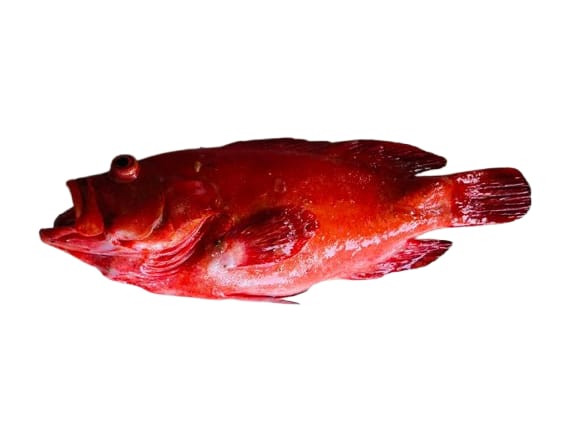
The Tomato Hind, scientifically known as Cephalopholis sonnerati and locally called Gaduudow in Somalia, is a reef-associated marine fish belonging to the grouper family. This species is commonly found in tropical coral reef ecosystems of the Indian Ocean and parts of the western Pacific Ocean.
Classification
- Scientific name: Cephalopholis sonnerati
- Local Somali name: Gaduudow
- Class: Ray-finned fishes (Actinopterygii)
- Family: Groupers (Serranidae)
Habitat and Distribution
Tomato hind mainly inhabits deep lagoons, rocky coral reefs, and clear tropical marine waters. It prefers reef environments that provide shelter, feeding grounds, and protection among coral structures and rocky substrates.
In Somalia, this species is commonly associated with coral reef habitats along the Indian Ocean coastline and is reportedly more frequently caught during summer seasons, particularly near the Socotra region and surrounding marine waters.
Feeding Behavior
The tomato hind is a carnivorous predator that feeds on small marine organisms, including:
- Small fishes
- Crabs
- Shrimps
- Other small reef-associated animals
As an active reef predator, it plays an ecological role in maintaining balance within coral reef food webs.
Ecological Importance
Groupers are important components of reef ecosystems because they help regulate populations of smaller marine organisms. Healthy grouper populations often indicate relatively functional reef ecosystems.
However, tomato hind populations can be affected by:
- Coral reef degradation
- Habitat destruction
- Overfishing
- Coastal pollution
Since this species depends heavily on coral reef habitats for shelter and feeding, damage to coral ecosystems may reduce its population and distribution over time.
Conservation Perspective
Protecting coral reef ecosystems is important for conserving reef-associated species such as the tomato hind. Sustainable fisheries management, pollution reduction, and coral reef conservation can help maintain healthy marine biodiversity in Somali waters.
The tomato hind represents one of the many ecologically valuable reef fish species found within Somalia’s marine ecosystems and highlights the importance of conserving coral reef habitats in the western Indian Ocean.