


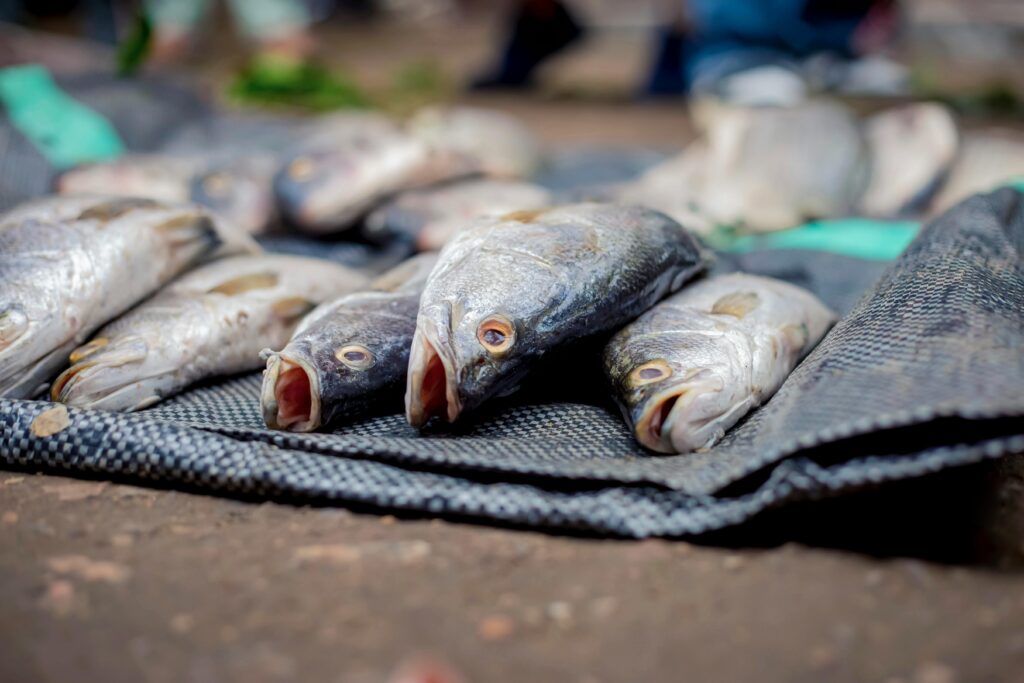
Marine species in Somalia
Somalia possesses one of the longest coastlines in mainland Africa, extending for approximately 3,300 kilometers along the Gulf of Aden and the Indian Ocean. Its marine environment supports a rich variety of species due to the interaction between seasonal upwelling systems, tropical waters, and diverse habitats such as coral reefs, seagrass beds, mangroves, and open ocean ecosystems.
Marine species in Somali waters range from microscopic organisms to large marine predators. These species play essential ecological roles in maintaining food webs, nutrient cycling, and overall ecosystem balance.
1. Tuna Species
Tuna are among the most economically and ecologically important fish in Somali waters. Species such as yellowfin tuna, (jeeydar) skipjack tuna, (sanuuro) and mackerel tuna (dhiiglow) inhabit offshore waters and are strongly associated with productive regions influenced by seasonal upwelling.
Ecological importance:
- Important pelagic predators
- Support fisheries and local livelihoods
- Connect lower and higher trophic levels within marine food webs
2. Sharks
Several shark species are found in Somali waters, including reef sharks, hammerhead sharks, (geesoole) and whale sharks.
Sharks function as apex predators and help regulate marine ecosystems by controlling prey populations. Their removal can trigger trophic cascades that disrupt ecosystem stability.
Ecological importance:
- Maintain balance within food webs
- Regulate prey populations
- Help preserve marine biodiversity
3. Dolphins and Whales
Somali waters support numerous marine mammals, including dolphins and migratory whale species.
These animals often migrate through offshore regions where food availability is high.
Ecological importance:
- Indicators of ecosystem health
- Contribute to nutrient movement within marine systems
- Increase marine biodiversity
4. Sea Turtles
Sea turtles are among the most important marine reptiles found in Somali coastal waters.
Many turtle species depend on seagrass beds and coastal habitats for feeding and survival.
Ecological importance:
- Maintain healthy seagrass ecosystems
- Contribute to nutrient cycling
- Support ecosystem balance
5. Coral Reef Fish
Coral reefs along parts of the Somali coast provide habitat for many reef-associated species, including groupers, snappers, surgeonfish, and parrotfish.
These fish contribute to reef stability and ecosystem functioning.
Ecological importance:
- Herbivorous species help control algae growth
- Predatory species maintain food web balance
- Support fisheries and biodiversity
6. Dugongs
Dugongs are marine mammals that feed primarily on seagrass. They are often called “sea cows” because of their grazing behavior.
Dugongs depend heavily on healthy seagrass habitats.
Ecological importance:
- Help maintain seagrass ecosystems
- Influence nutrient cycling
- Act as indicators of habitat quality
Why These Species Matter
Marine species do not exist independently. They are connected through complex ecological interactions involving food webs, habitat use, and energy transfer.
For example:
- Tuna depend on productive waters supported by plankton-based food chains.
- Sea turtles and dugongs rely on seagrass habitats.
- Reef fish depend on healthy coral ecosystems.
- Sharks regulate marine population balance.
Damage to one habitat or species can indirectly affect many others.
Threats to Marine Species in Somalia
Several challenges threaten marine biodiversity in Somali waters:
- Illegal and excessive fishing
- Habitat destruction
- Coastal pollution
- Climate change
- Coral bleaching
- Loss of mangroves and seagrass habitats
Protecting these species is important for marine conservation, food security, fisheries sustainability, and maintaining ecological balance.
Conclusion
Somalia’s waters contain a remarkable diversity of marine life, from large pelagic predators to coastal species that support ecosystem stability. Understanding these species and their ecological roles is essential for conserving Somalia’s marine resources and ensuring sustainable use for future generations.
Did you know?
Somalia’s seasonal upwelling system is among the strongest oceanographic processes in the Indian Ocean and supports highly productive fisheries.