


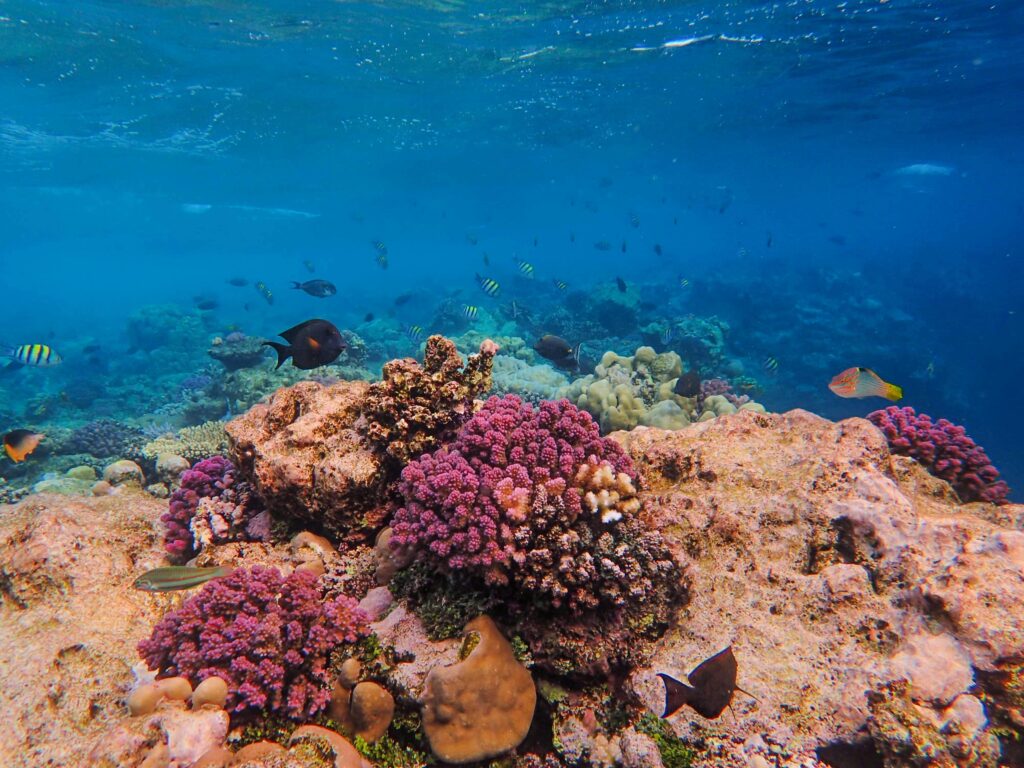
Coral reefs are among the most biologically important marine ecosystems in the ocean. They are formed by tiny marine organisms called coral polyps, which possess soft bodies with mouths and tentacles. Over many years, these organisms produce calcium carbonate skeletons that accumulate and form reef structures. Coral polyps also live in a symbiotic relationship with microscopic algae known as zooxanthellae, which provide energy to corals through photosynthesis.
Corals thrive best in:
- Warm tropical waters
- Clear water conditions
- Low nutrient environments
- Stable marine ecosystems
Clear water is especially important because the algae living inside corals require sunlight for photosynthesis. When water becomes too nutrient-rich, phytoplankton populations increase, causing high turbidity and reducing light penetration. This limits photosynthesis and negatively affects coral growth.
Somalia’s Upwelling System
Much of Somalia’s coastline is influenced by strong seasonal upwelling currents. Upwelling occurs when cold, nutrient-rich water rises from deeper parts of the ocean to the surface.
Although this process increases marine productivity and supports large fish populations, it creates environmental conditions that are less favorable for coral reef development. The cold water temperatures, nutrient-rich conditions, and increased turbidity reduce the amount of sunlight available for zooxanthellae photosynthesis.
As a result, coral reefs are not widely distributed along much of Somalia’s northern and central coastline.
Where Coral Reefs Are Found in Somalia
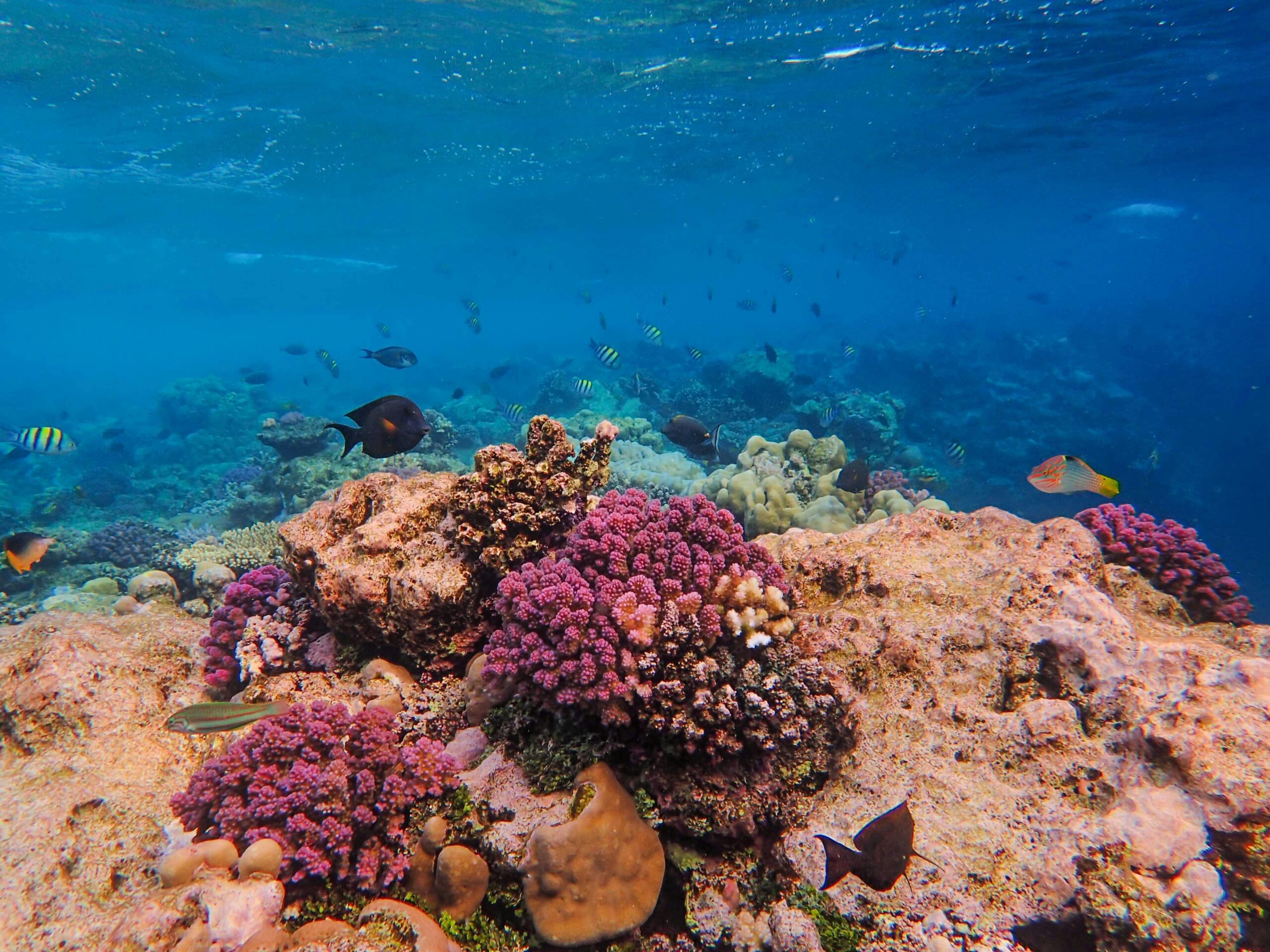
Despite these limitations, coral reefs are still found in some parts of Somalia where environmental conditions are more stable and suitable for coral growth. Important coral reef areas include:
- Southern Somali coastline
- Bajuni Islands
- Some localized coral patches along the coast
These regions generally experience warmer and clearer water conditions that support reef formation.
Ecological Importance of Coral Reefs
Coral reefs support highly diverse marine communities by providing:
- Shelter for marine organisms
- Feeding grounds
- Breeding and nursery habitats
Many fish species, invertebrates, and other marine animals depend on coral reef ecosystems for survival.
Coral reefs also protect coastlines by reducing wave energy and helping minimize coastal erosion during storms and strong ocean conditions.
Conservation Threats
Coral reef ecosystems face several environmental threats, including:
- Climate change
- Coral bleaching
- Overfishing
- Pollution
- Habitat destruction
Rising ocean temperatures can stress corals and disrupt their relationship with zooxanthellae, leading to coral bleaching and ecosystem decline.
Protecting coral reef ecosystems is important for maintaining marine biodiversity and preserving the ecological health of Somalia’s coastal waters.