


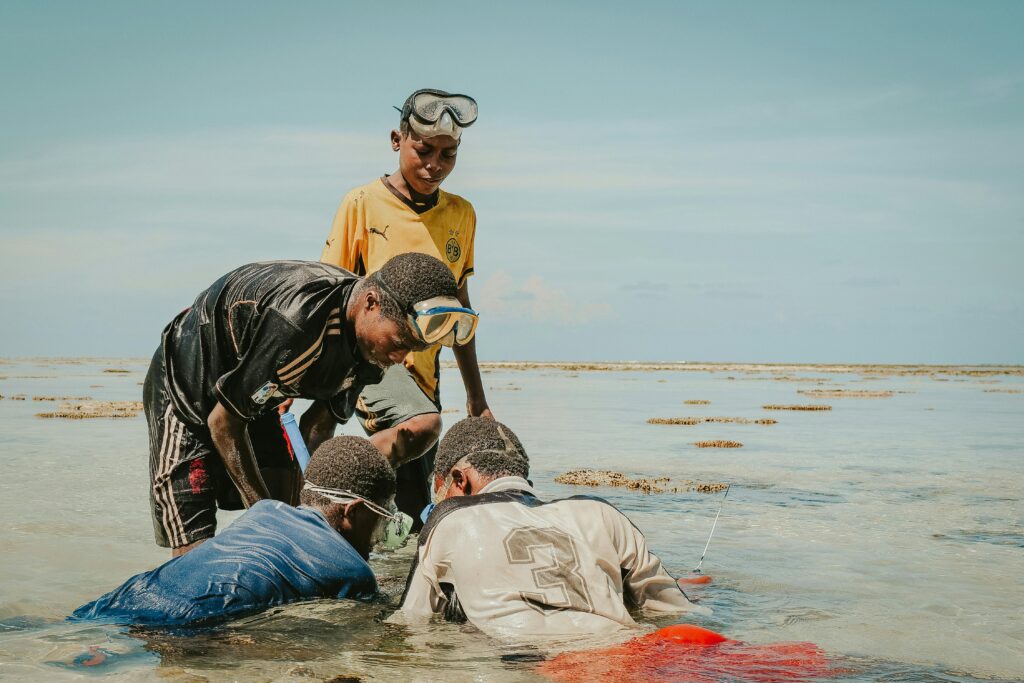
marine science
Somalia has one of the longest coastlines in Africa, stretching along the Indian Ocean and the Gulf of Aden. This vast marine area contains valuable natural resources, diverse marine species, and important ecosystems. Because of this, marine science in Somalia plays a major role in protecting the environment and supporting economic growth.
Marine science helps researchers understand ocean life, fisheries, climate patterns, and coastal ecosystems. It also provides solutions to environmental problems and creates opportunities for sustainable development.
Understanding Marine Science in Somalia
Marine science in Somalia focuses on studying the country’s oceans, marine organisms, coral reefs, fisheries, and coastal environments. Scientists collect data about water quality, fish populations, ocean currents, and environmental changes.
This scientific knowledge helps governments, researchers, and communities make better decisions about managing marine resources responsibly.
Importance of Marine Science for Somalia’s Economy
Somalia’s economy can benefit greatly from marine science because the country has rich ocean resources that remain underdeveloped.
1. Supporting the Fishing Industry
Fishing is one of the most important economic activities along Somalia’s coast. Marine science helps improve fisheries management by studying fish populations, breeding seasons, and sustainable fishing methods.
Better scientific research can:
- Prevent over-fishing
- Increase seafood production
- Protect important fish species
- Create more jobs for coastal communities
Sustainable fisheries can strengthen food security and increase exports.
2. Developing the Blue Economy
The blue economy refers to economic activities connected to oceans and marine resources. Marine science in Somalia is essential for developing industries such as:
- Fishing and seafood processing
- Marine transportation
- Coastal tourism
- Renewable ocean energy
By investing in marine research and technology, Somalia can expand its economy while protecting marine ecosystems.
3. Creating Employment Opportunities
Marine science creates careers in:
- Ocean research
- Environmental conservation
- Fisheries management
- Marine engineering
- Coastal planning
As Somalia develops its marine sector, more educational and professional opportunities can become available for young people.
Importance of Marine Science for the Environment
Marine ecosystems are extremely important for environmental balance. However, they face threats from pollution, climate change, illegal fishing, and habitat destruction.
1. Protecting Marine Biodiversity
Somalia’s waters contain many marine species, including fish, sharks, dolphins, sea turtles, and coral reefs. Marine science helps scientists understand how these species live and interact within ecosystems.
Protecting biodiversity is important because healthy marine ecosystems support food chains and ocean stability.
2. Studying Climate Change
Climate change affects sea temperatures, ocean currents, and marine life. Marine science helps researchers monitor these changes and understand their impact on Somalia’s coastal environment.
Scientific studies can help communities prepare for:
- Rising sea levels
- Coastal erosion
- Stronger storms
- Changes in fish migration patterns
3. Conserving Coral Reefs and Coastal Habitats
Coral reefs protect coastlines from erosion and provide shelter for many marine species. Marine science helps identify damaged ecosystems and supports conservation efforts.
Protecting mangroves, coral reefs, and seagrass habitats is essential for maintaining healthy oceans.
Challenges Facing Marine Science in Somalia
Despite its importance, marine science in Somalia faces several challenges, including:
- Limited research facilities
- Lack of funding
- Shortage of trained marine scientists
- Illegal and unregulated fishing
- Environmental pollution
Improving education, research institutions, and international cooperation can help overcome these challenges.
The Future of Marine Science in Somalia
The future of marine science in Somalia is promising. With proper investment and scientific research, Somalia can protect its marine environment while building a stronger economy.
Government institutions, universities, and environmental organizations all have important roles in supporting marine research and conservation programs.
By focusing on sustainable development, Somalia can use its marine resources responsibly for future generations.
Conclusion
Marine science is extremely important for Somalia’s economy and environment. It supports fisheries, creates jobs, protects marine ecosystems, and helps address environmental challenges such as climate change and pollution.
As Somalia continues developing its blue economy, marine science will remain a key factor in achieving sustainable growth and environmental protection.