Introduction
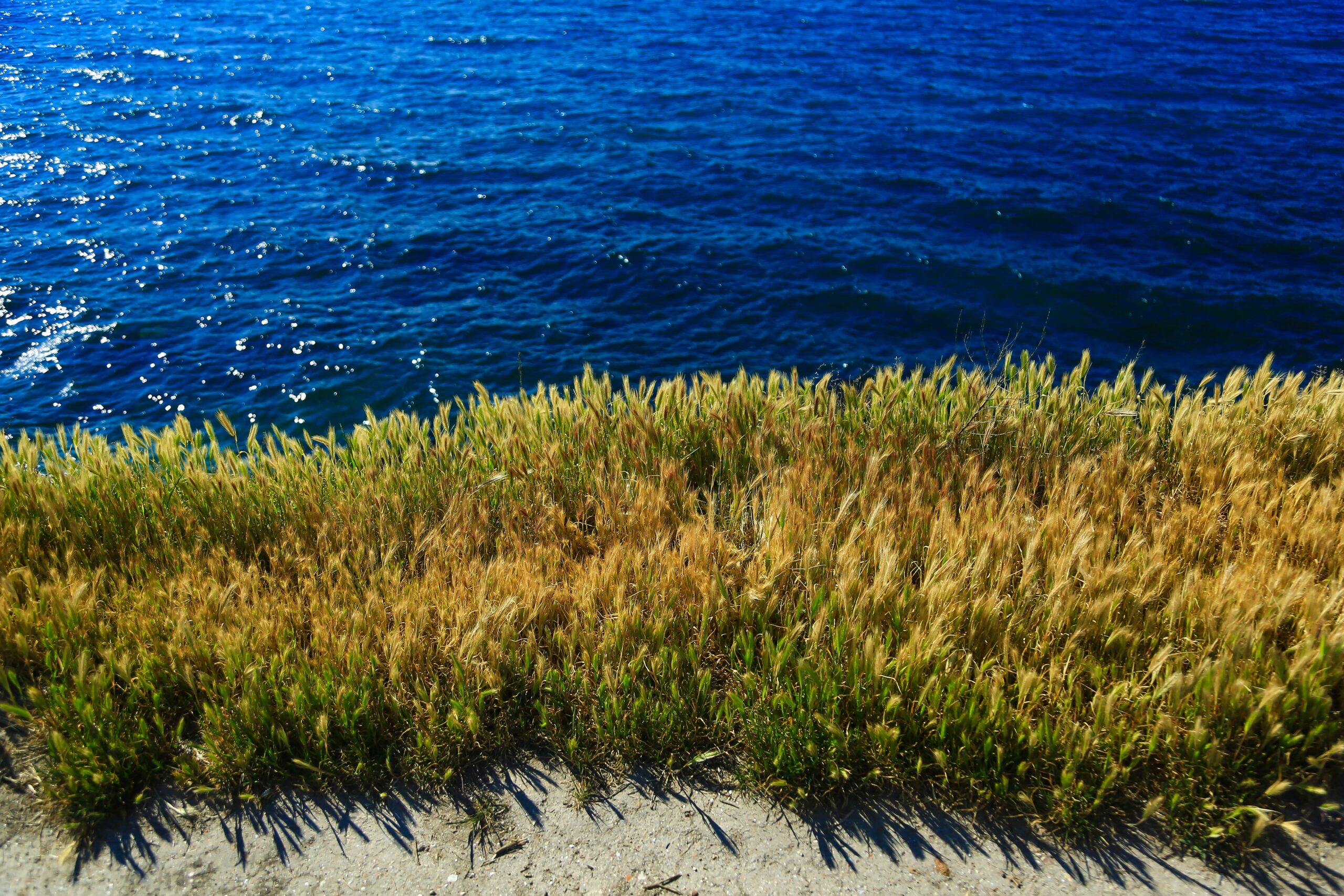
Somalia possesses some of the most productive fishing grounds in the western Indian Ocean. With the longest coastline on mainland Africa, stretching over 3,300 kilometers, the country is blessed with diverse marine ecosystems that support a wide variety of fish and other marine organisms. But what makes Somalia’s waters so rich in marine life?
The Role of Coastal Upwelling
One of the most important reasons for Somalia’s rich fishing grounds is a natural oceanographic process known as coastal upwelling.
During the southwest monsoon, strong winds blow along the Somali coast. These winds push warm surface water away from the shore, allowing cold, nutrient-rich water from deeper parts of the ocean to rise to the surface. This process is called upwelling.
The nutrients brought to the surface act as fertilizers for microscopic plants known as phytoplankton, which form the foundation of the marine food web.
High Primary Productivity
The abundance of nutrients promotes rapid growth of phytoplankton. These microscopic organisms are consumed by zooplankton, which are then eaten by small fish and other marine animals.
This chain of feeding relationships supports large populations of commercially important fish species, including:
- Tuna
- Mackerel
- Sardines
- Anchovies
- Kingfish
- Sharks and rays
As a result, Somalia’s coastal waters become highly productive fishing areas.
Influence of the Somali Current
The Somali Current is one of the most unique ocean currents in the world. Unlike many other currents, it changes direction seasonally in response to monsoon winds.
The interaction between the Somali Current and monsoon-driven upwelling helps transport nutrients and enhances marine productivity along the Somali coast.
Diverse Marine Habitats
Somalia’s coastline contains a variety of marine habitats that support fish populations throughout their life cycles.
These habitats include:
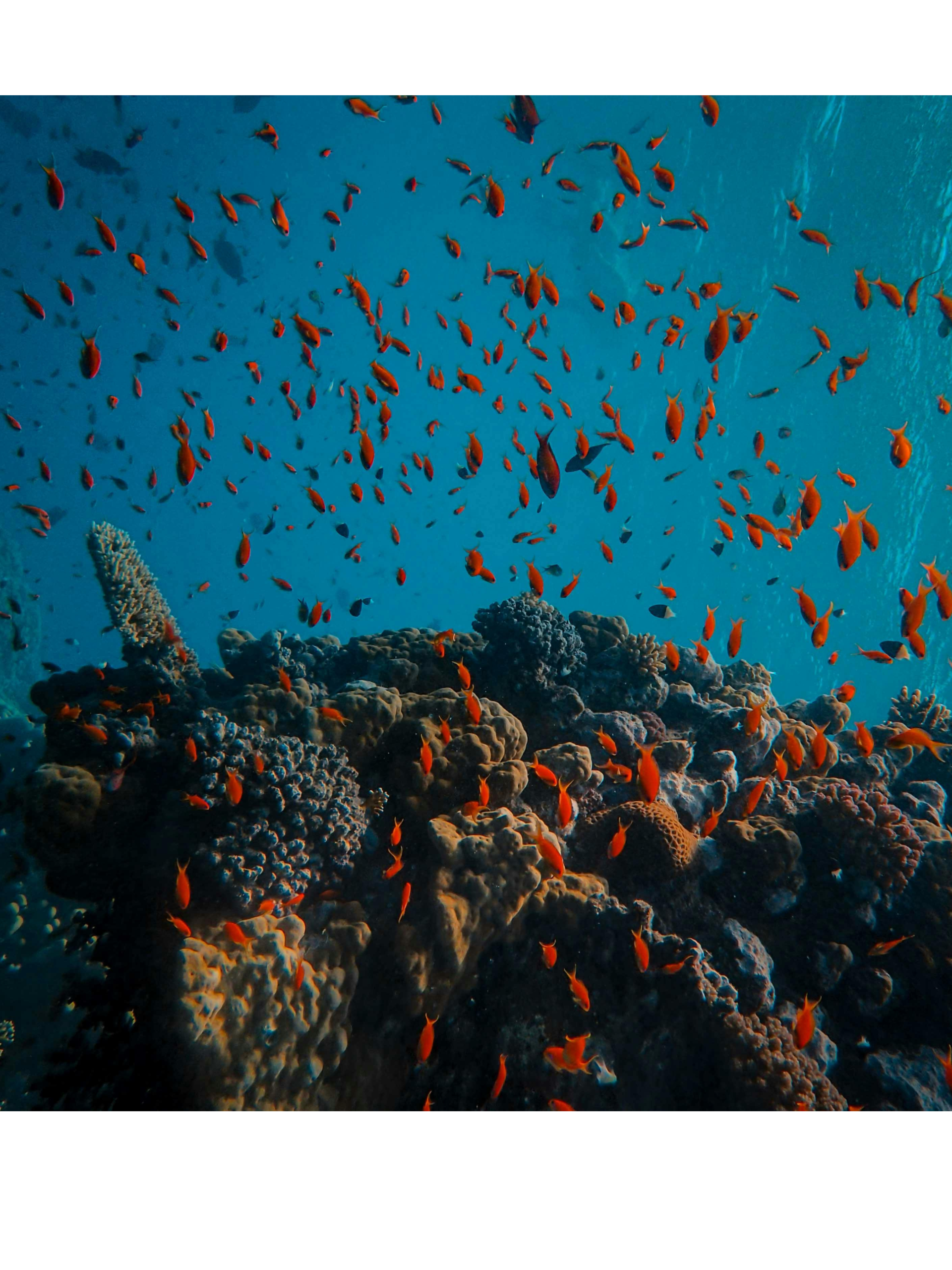
- Coral reefs
- Seagrass meadows
- Mangrove forests
- Estuaries
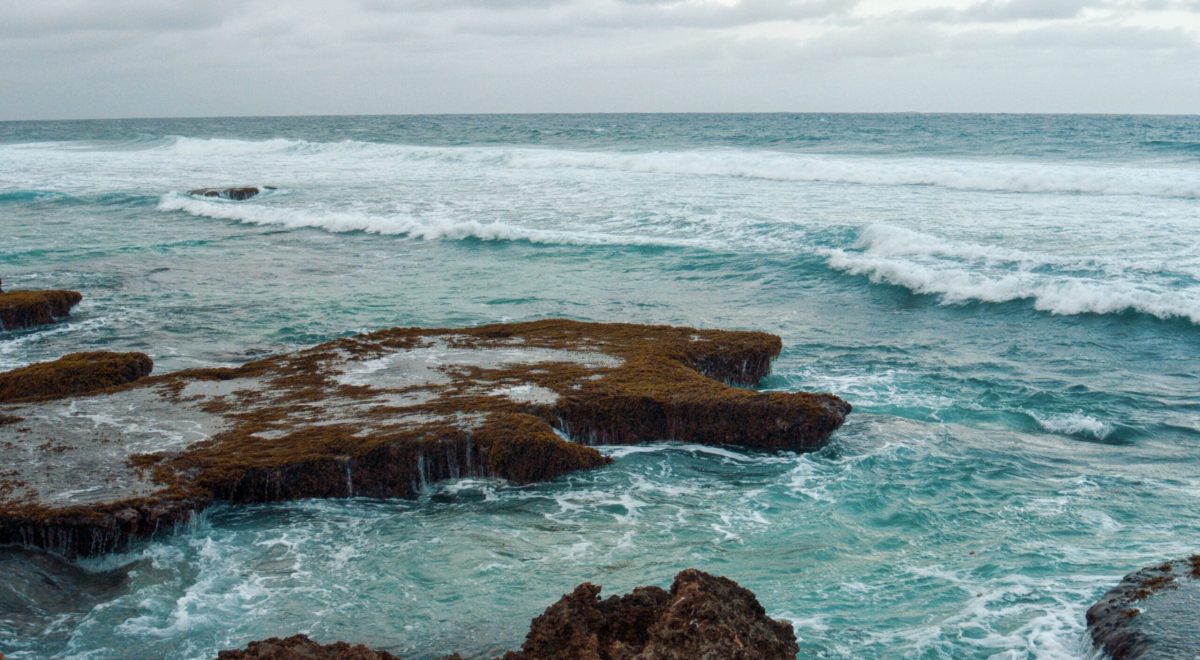
- Sandy and rocky coastal areas
Many fish species use these environments as breeding, feeding, and nursery grounds.
A Strategic Location in the Indian Ocean
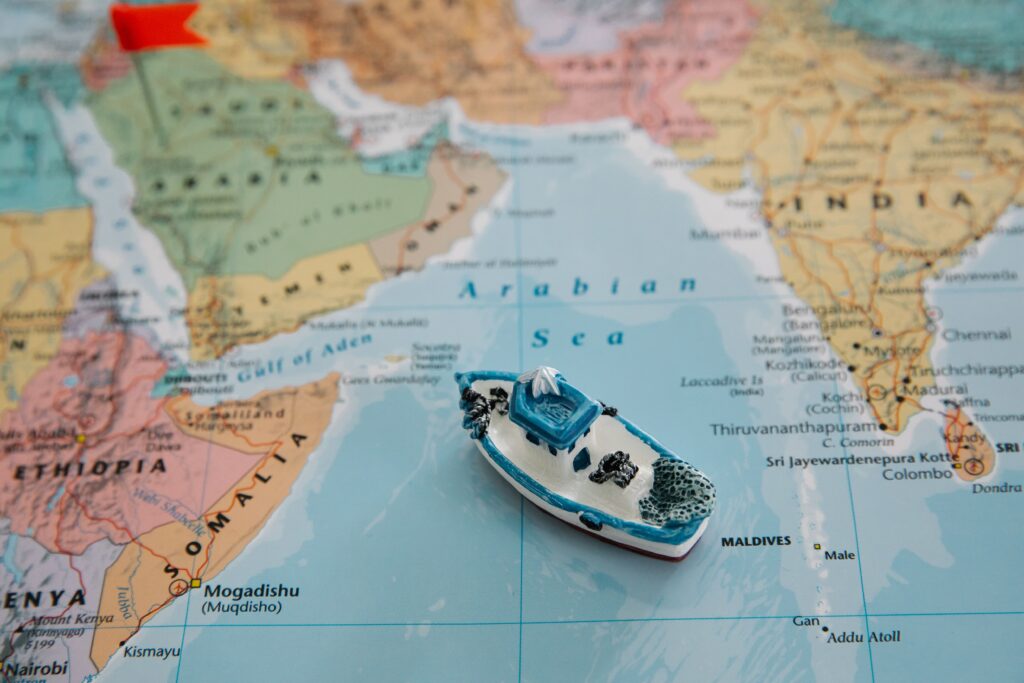
Somalia lies at the meeting point of the Arabian Sea and the western Indian Ocean. This strategic location allows migratory fish species to move through Somali waters throughout the year.
Somalia is strategically located at the junction of the Arabian Sea and the western Indian Ocean. Many migratory marine species travel through these waters because they connect different regions of the Indian Ocean. Species such as tuna, billfishes, whales, sharks, and sea turtles move through Somali waters in search of food, suitable temperatures, breeding grounds, and spawning areas. The nutrient-rich waters created by upwelling provide abundant prey, making Somalia an important feeding ground for these migratory species.
Examples
- Yellowfin tuna migrate across large areas of the Indian Ocean and frequently pass through Somali waters because food is abundant there.
- Whales migrate seasonally between feeding and breeding grounds and may travel along the Somali coast.
- Sea turtles migrate long distances between nesting beaches and feeding habitats.
- Sharks often follow ocean currents and prey migrations that pass through Somali waters.
Simple Flow
Arabian Sea ↔ Somalia ↔ Indian Ocean
Migratory species use this route because:
- Food is abundant.
- Ocean currents assist movement.
- Water temperatures are suitable.
- Important habitats are available nearby.
Highly migratory species such as yellowfin tuna, skipjack tuna, and billfishes are commonly found in Somali waters because of the favorable environmental conditions.
Rich Biodiversity
Somalia’s marine ecosystem supports a remarkable diversity of marine life, including:
- More than a thousand species of fish
- Sea turtles
- Dolphins
- Whales
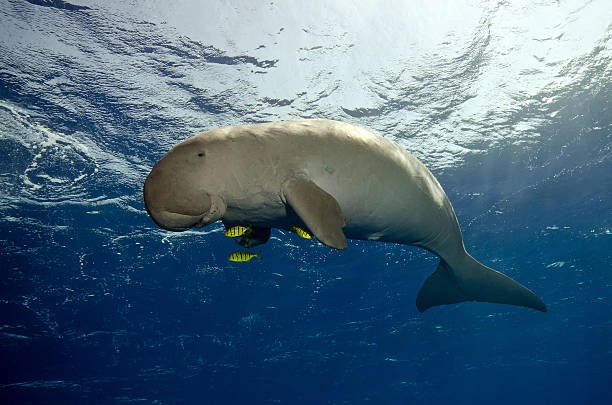
- Dugongs
- Various crustaceans and mollusks
This biodiversity contributes to the ecological stability and productivity of Somali fisheries.
Economic Importance
The rich fishing grounds of Somalia provide opportunities for:
- Food security
- Employment
- Export earnings
- Sustainable fisheries development
If properly managed, Somalia’s marine resources can play a major role in the country’s economic growth and livelihoods.
Conclusion
Somalia’s rich fishing grounds are the result of several natural factors working together, including coastal upwelling, nutrient-rich waters, monsoon winds, the Somali Current, and diverse marine habitats. These conditions create one of the most productive marine ecosystems in the Indian Ocean, supporting abundant fish populations and valuable fisheries resources.
Protecting these ecosystems through sustainable management is essential to ensure that future generations continue to benefit from Somalia’s extraordinary marine wealth.