
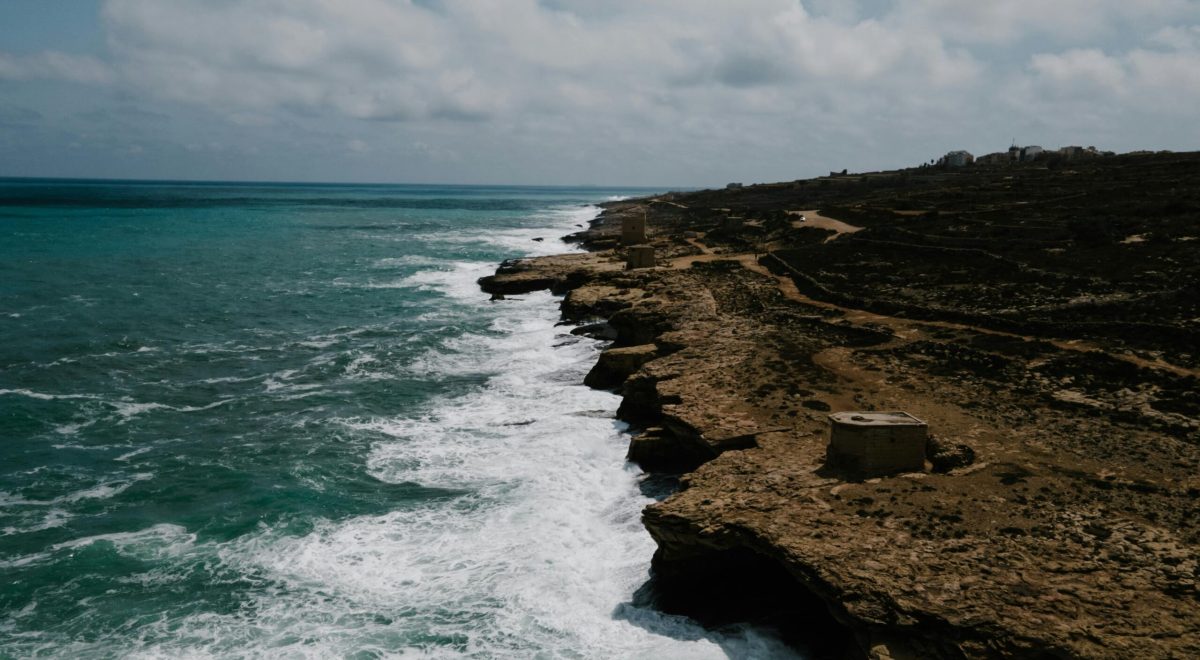
🌊 Why Somalia’s Marine Biodiversity Is High but Unevenly Distributed Along Its Coastline
Somalia has the longest coastline on mainland Africa, stretching approximately 3,300 kilometers along the Gulf of Aden and the Indian Ocean. This vast coastline supports a variety of marine ecosystems, including coral reefs, mangroves, seagrass beds, estuaries, rocky shores, and coastal wetlands. However, marine biodiversity is not evenly distributed across the Somali coast. Some regions contain highly diverse ecosystems, while others have more limited reef development and habitat diversity.
The uneven distribution of marine biodiversity along the Somali coastline is mainly influenced by differences in oceanographic conditions, particularly seasonal upwelling, water temperature, turbidity, and habitat structure.
One of the most important ecological processes affecting Somalia’s marine environment is seasonal upwelling along the northern and central coast. During this process, cold, nutrient-rich deep water rises to the ocean surface. These nutrients stimulate phytoplankton growth, increasing marine productivity and supporting productive food webs that attract zooplankton, fish, and large pelagic predators such as tuna.
At the same time, this upwelling system can limit coral reef development. Coral reefs require warm, clear, and stable tropical waters with sufficient sunlight for photosynthesis by zooxanthellae, the symbiotic algae living inside coral tissues. Upwelling increases turbidity and reduces light penetration, creating less favorable conditions for coral growth in parts of the northern and central Somali coast.
In contrast, the southern Somali coast near the Indian Ocean experiences relatively warmer and more stable environmental conditions. These conditions support the development of coral reefs, mangroves, and seagrass ecosystems. Areas near the Bajuni Archipelago and the Kenyan border contain some of the most developed coral reef habitats along the Somali coast.
Geographical variation also contributes to ecosystem differences. The Gulf of Aden and the Indian Ocean are ecologically distinct marine environments with different current systems, coastal structures, and environmental conditions. These differences influence the distribution of marine habitats and species throughout the Somali coastline.
Human activities further affect marine biodiversity in some coastal regions. Habitat destruction, pollution, sewage discharge, and overfishing near urban areas can damage coral reefs and coastal ecosystems, reducing biodiversity compared to less disturbed regions.
Overall, Somalia’s marine biodiversity is shaped by the interaction between oceanographic processes, habitat diversity, climate conditions, and human impacts. Understanding these ecological patterns is important for marine conservation, fisheries management, and the sustainable use of Somalia’s marine resources.