What are estuaries?
Estuaries are partially enclosed coastal water bodies where freshwater from rivers and streams meets and mixes with seawater from the ocean. This mixing creates brackish water, a unique environment with salinity levels between freshwater and marine water.
Estuaries are among the most productive ecosystems on Earth. Their nutrient-rich waters support a wide variety of plants, animals, and microorganisms that form the basis of complex food webs. Because of their importance to juvenile marine life, estuaries are often referred to as “ocean nurseries.”
Characteristics of Estuaries
Estuaries contain specialized plants and animals that are adapted to fluctuating salinity levels. Freshwater flowing from rivers combines with seawater carried inland by tides, creating constantly changing environmental conditions.
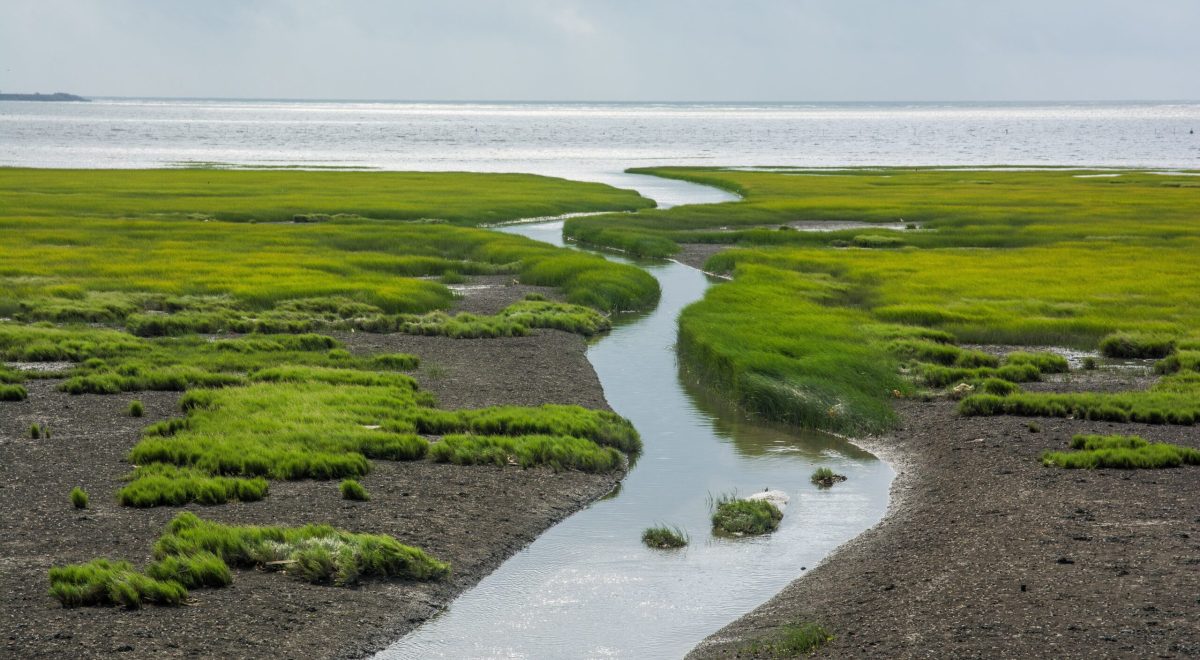
Tides exert a major influence on estuaries as saltwater flows upstream and drains out twice each day. Waves, winds, and storms also shape these ecosystems. Many estuaries are protected from the full force of the ocean by reefs, islands, peninsulas, or areas of mud and sand, creating sheltered environments where diverse communities can thrive.
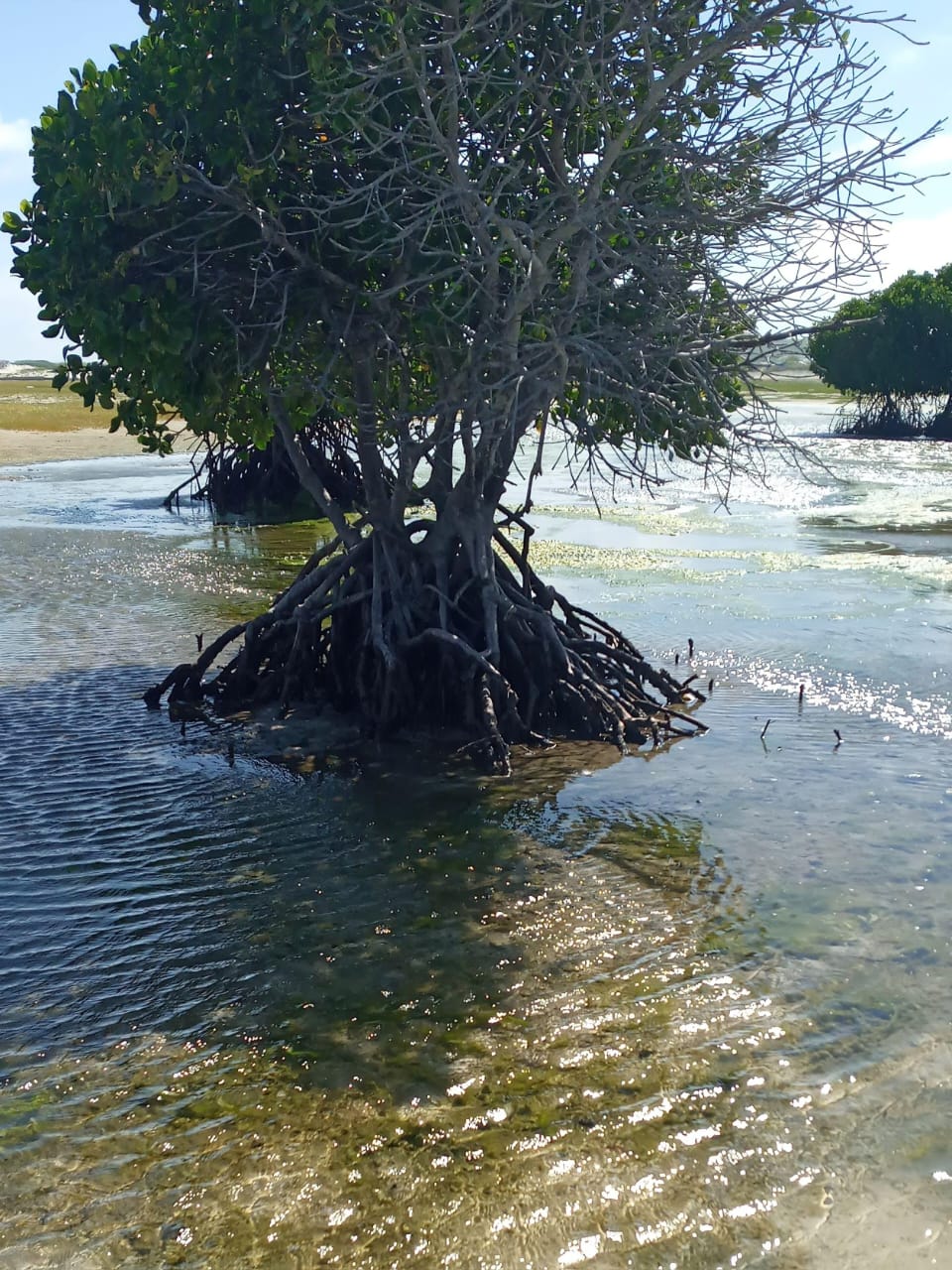
Estuaries occur in various forms worldwide, including coastal bays, fjords, tidal marshes, river mouths, and mangrove forests.
Ecological Importance of Estuaries
Estuaries provide food, breeding grounds, nursery habitats, and migration stopovers for numerous species. They are essential ecosystems because they offer spawning habitats where juvenile fish and other marine organisms can grow before moving into coastal and offshore waters.
Research has shown that the Kaipara Harbour estuary in New Zealand serves as the nursery ground for approximately 90% of the snapper population found along the west coast of New Zealand’s North Island. Many native fish species, including eels and whitebait, require both freshwater and saltwater habitats during different stages of their life cycles.
Estuaries are also important resting and feeding areas for migratory birds during their long journeys. They provide habitat for numerous bird species, including waders, shorebirds, and ducks.
In addition, estuaries act as natural filters. Wetlands, mangroves, and estuarine vegetation trap sediments and absorb excess nutrients before they reach the open ocean. This process helps maintain water quality and supports healthy coastal ecosystems.
Threats to Estuarine Ecosystems
Although estuaries are naturally dynamic environments, increasing pressures from both land and sea threaten their health.
Activities within surrounding catchments, such as land clearing for agriculture and urban development, increase soil erosion and sediment runoff. Rainfall washes exposed soil into rivers and streams, carrying large amounts of sediment into estuaries.
Changes in land use can also increase nutrient levels in waterways. Excess nutrients and sediments eventually accumulate in estuarine and coastal environments, where they can smother plants and animals.
High sediment loads make the water murky, reducing the amount of sunlight available for aquatic plants such as seagrasses. Reduced water quality can also affect animals that depend on well-oxygenated water. Furthermore, excess nutrients may trigger harmful algal blooms, which can disrupt ecosystem balance and reduce biodiversity.
Estuaries in Somalia
Estuarine habitats in Somalia are primarily found along the southern coastline near the Kenyan border, where they are closely associated with river outlets and mangrove forests.
One of the most significant estuarine systems is associated with the Jubba River, which flows into the Indian Ocean near Kismayo. The confluence of freshwater and seawater creates productive estuarine habitats that support mangroves, fish, crustaceans, birds, and other wildlife.
Notable estuarine areas in southern Somalia include:
- The Jubba River estuary near Kismayo.
- Goobweyn (Gobweyn), located approximately 15 kilometers north of Kismayo, where the Jubba River meets the Indian Ocean.
- Caanoole (Lac Anole), a tidal estuarine area characterized by extensive mangrove swamps.
- Coastal areas around Kudhaa and Buurgaabo, which are associated with estuarine and mangrove ecosystems.
These habitats are among the most ecologically valuable coastal environments in Somalia. They provide nursery grounds for marine life, support migratory birds, help protect shorelines from erosion, and contribute significantly to the biodiversity of southern Somalia.
Conclusion
Estuaries are among the world’s most productive and valuable ecosystems. By connecting rivers, wetlands, mangroves, and the ocean, they provide essential habitats for fish, birds, and countless other species. Their role as spawning grounds, nurseries, migration stopovers, and natural water filters makes them indispensable for both biodiversity conservation and sustainable fisheries. Protecting Somalia’s estuarine ecosystems is therefore vital for maintaining healthy coastal environments and supporting future generations of marine life.