
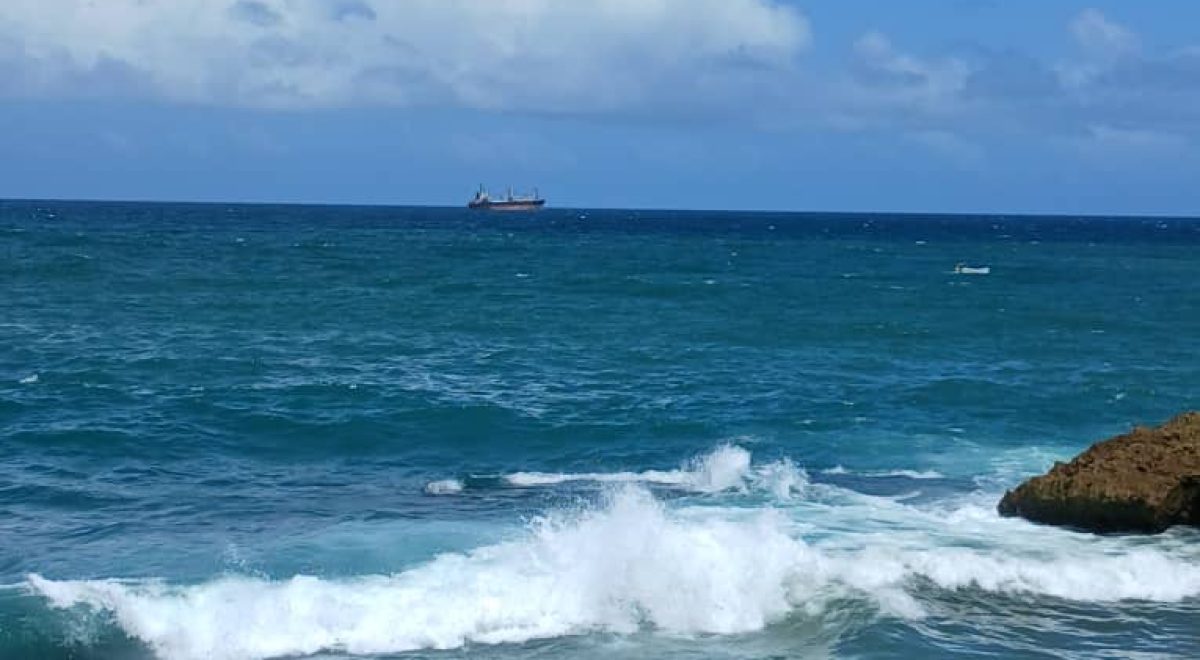
Somalia’s Coastline and Marine Ecosystems
Somalia possesses one of the longest coastlines in Africa, stretching approximately 3,300 kilometers along the Gulf of Aden in the north and the Indian Ocean in the east. This extensive coastline plays a vital role in fisheries, maritime transportation, tourism, and other ocean-based economic activities.
In addition to its mainland coast, Somalia has several underdeveloped islands and archipelagos located in both the Indian Ocean and the Gulf of Aden. The most notable are the Bajuni Islands in southern Somalia, which support diverse marine habitats and wildlife.
Marine Ecosystems of Somalia
Somalia’s waters contain a variety of marine ecosystems that support rich biodiversity.
Coral Reefs
Fringing coral reefs occur around the Bajuni Archipelago and in scattered patches along the Gulf of Aden. These reefs provide shelter, breeding grounds, and feeding habitats for numerous marine species. Coral reefs also protect coastlines by reducing wave energy and coastal erosion.
Mangrove Forests
Somalia is home to six mangrove species. Most mangrove forests are concentrated along the southwestern coast, particularly around the Juba and Shabelle estuaries. Smaller stands of Avicennia marina occur on the northern coast and along the Gulf of Aden.
According to the FAO (2007), Somalia’s mangroves covered approximately 1,000 hectares, mainly around the estuaries, creeks, and sheltered coastal islands. These ecosystems provide nursery grounds for fish, crustaceans, and many other marine organisms.
Seagrass Beds
Seagrass meadows are primarily distributed along the southern coastline from Adale to Ras Chiamboni, with smaller beds occurring along the northern coast. Seven seagrass species have been identified in Somali waters, with Thalassodendron ciliatum being among the most abundant.
Seagrasses play a critical ecological role by stabilizing sediments, improving water quality, storing carbon, and providing feeding grounds for marine animals.
Marine Wildlife
Somali waters support a wide range of marine mammals, reptiles, fish, and seabirds.
Dolphins and Other Marine Mammals
Small cetaceans are abundant in Somali waters. Surveys conducted by Schleyer and Baldwin (1999) recorded large schools of dolphins, including:
- Common Dolphin
- Spinner Dolphin
- Spotted Dolphin
- Indo-Pacific Humpback Dolphin
- Bottlenose Dolphin
These species are important indicators of healthy marine ecosystems.
Sea Turtles
Five species of sea turtles have been recorded in Somali waters:
- Green Turtle
- Hawksbill Turtle
- Loggerhead Turtle
- Olive Ridley Turtle
- Leatherback Turtle
Green turtles are particularly known to nest along Somalia’s eastern coastline.
Birds
Somalia also hosts numerous coastal and marine birds, including ten bird species that are endemic to the country.
Importance of Conservation
Despite its rich marine biodiversity, Somalia’s coastal ecosystems face several threats, including pollution, habitat destruction, overfishing, climate change, and inadequate waste management. Protecting coral reefs, mangroves, seagrass beds, and marine wildlife is essential for maintaining biodiversity and supporting the livelihoods of coastal communities.
With proper conservation efforts and sustainable management, Somalia’s coastline can continue to provide ecological, economic, and social benefits for future generations.
References
FAO (2007). The World’s Mangroves 1980–2005. Food and Agriculture Organization of the United Nations, Rome.
Schleyer, M., & Baldwin, R. (1999). Marine mammal observations from Somali waters.