
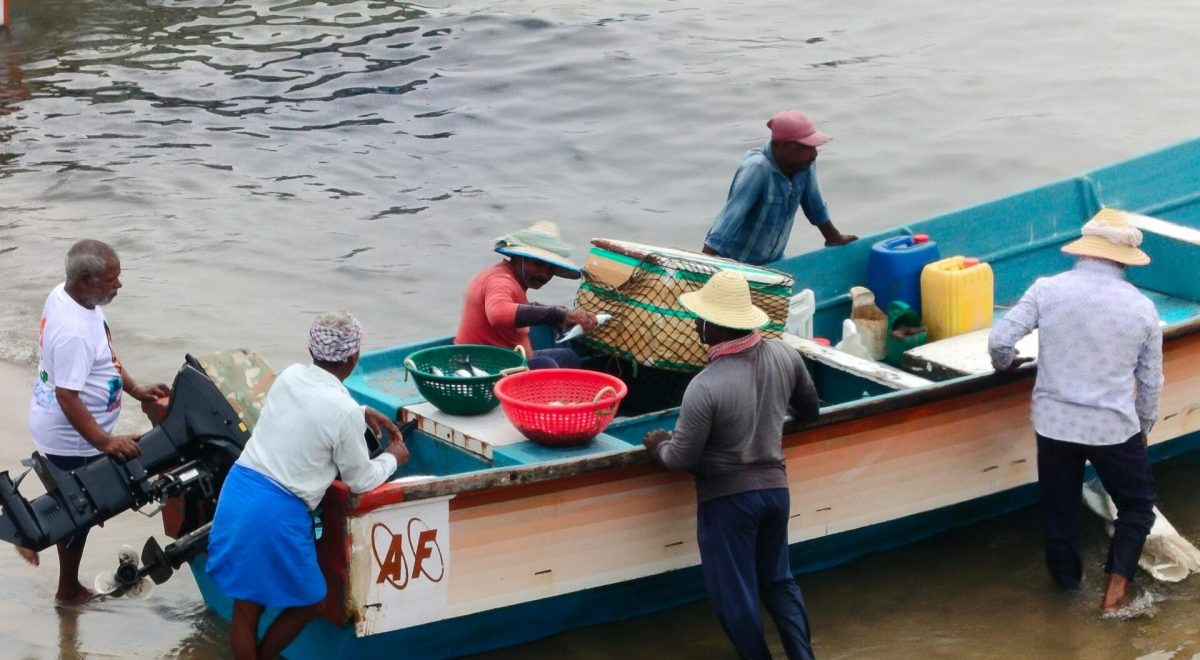
The Role of Fisheries in Somalia’s Economy
Fisheries in Somalia play an important role in supporting coastal communities, food security, and economic development.
Somalia has one of the longest coastlines in Africa, stretching about 3,333 kilometers along the Indian Ocean and the Gulf of Aden. This strategic location gives the country access to rich marine resources and significant fisheries potential. Despite these advantages, the fisheries sector remains underdeveloped and contributes only a small share to the national economy.
According to several reports, fisheries contribute approximately 2% to 3% of Somalia’s Gross Domestic Product (GDP) and around 2% of exports. This shows that the sector has not yet reached its full economic potential. (sdrb.gov.so)
Somalia’s Marine Resource Potential
Somalia’s waters contain a wide variety of commercially valuable fish species. The country’s Exclusive Economic Zone (EEZ) is considered one of the richest marine areas in the Western Indian Ocean.
Some important fish species found in Somali waters include:
- Yellowfin tuna (Jeeydar)
- Grouper (Summan/Gadiir)
- Snapper (Tartabo/Qardabo)
- Lobster ( aargoosato)
- Shark species
- Sardines and mackerel
Experts estimate that Somalia’s waters could sustainably produce between 300,000 and 500,000 metric tons of fish annually. However, current production remains far below this potential due to limited infrastructure, technology, and investment. (sdrb.gov.so)
Historical Development of the Fisheries Sector
After independence in 1960, the Somali government made efforts to develop the fisheries industry. Fish processing factories were established in several coastal towns from Berbera to Kismayo.
Factories such as:
- Xaabo
- Kandala
were involved in fish processing and canned fish production. During the 1970s and 1980s, Somalia also operated several fishing vessels that exported fish products to international markets.
These efforts showed the country’s early ambition to build a productive fisheries economy.
Impact of the Civil War
The civil war that began in the early 1990s had a devastating effect on Somalia’s fisheries sector. Fishing infrastructure, ports, cold storage facilities, and processing factories were heavily damaged or abandoned.
The conflict also weakened:
- fisheries management
- coastal security
- investment
- marine regulation
As a result, illegal, unreported, and unregulated (IUU) fishing increased in Somali waters, reducing the country’s ability to benefit fully from its marine resources. (Somalia Investment Promotion Office)
Economic Importance of Fisheries
The fisheries sector is important for Somalia’s economy because it:
- creates employment opportunities
- supports coastal livelihoods
- improves food security
- generates export income
Thousands of Somali families depend directly or indirectly on fishing activities. The sector also has the potential to reduce unemployment and strengthen economic growth if properly developed.
Research shows that the fisheries sector supports tens of thousands of jobs, especially in coastal communities. (sdrb.gov.so)
Challenges Facing Somalia’s Fisheries Sector
Despite its large potential, the fisheries sector faces several major challenges, including:
- lack of modern fishing equipment
- weak infrastructure
- limited cold storage facilities
- insufficient investment
- illegal foreign fishing
- poor transportation networks
Post-harvest losses are also high because of inadequate storage and processing systems. (sdrb.gov.so)
The Future of Fisheries in Somalia
Somalia has significant untapped marine resources that could help transform the national economy. With proper investment, improved fisheries management, and stronger marine protection policies, the country can increase fish production and exports.
Developing the fisheries sector could:
- create more jobs
- increase government revenue
- strengthen food security
- support sustainable economic development
The fisheries sector has the potential to become one of the major pillars of Somalia’s blue economy in the future.
Conclusion
The role of fisheries in Somalia’s economy remains limited despite the country’s rich marine resources and strategic coastal location. Although the sector currently contributes only a small percentage to GDP and exports, Somalia has enormous potential to expand its fisheries industry.
By improving infrastructure, investing in modern technology, and strengthening marine governance, Somalia can transform fisheries into a key driver of economic growth and sustainable development.