
Why Coral Reefs Are Important for Marine Ecosystems
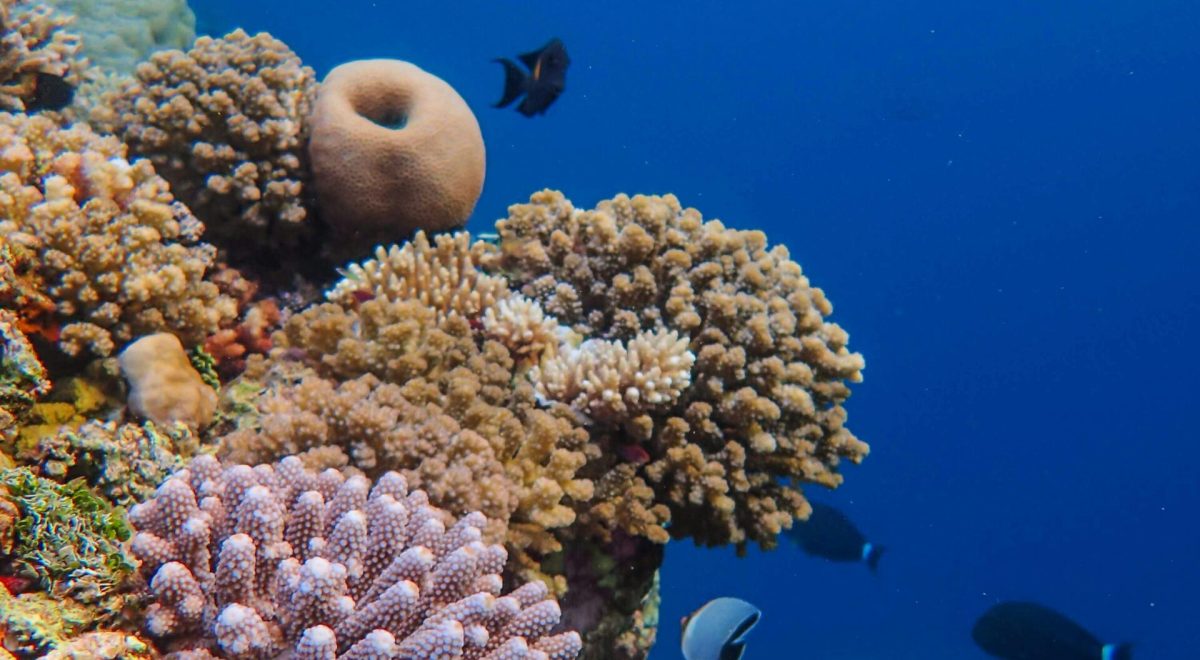
Coral reefs are among the most diverse and valuable ecosystems on Earth. Often called the “rainforests of the sea,” coral reefs support thousands of marine species and play a critical role in maintaining healthy ocean ecosystems. Although coral reefs cover less than 1% of the world’s oceans, they provide habitat for nearly 25% of all marine life.
These ecosystems are important not only for marine organisms but also for millions of people who depend on the ocean for food, income, and coastal protection. In countries with long coastlines such as Somalia, coral reefs are important for fisheries, biodiversity, and environmental sustainability.
What Are Corals?
Corals are living marine animals belonging to the phylum Cnidaria, the same group that includes jellyfish and sea anemones. A coral reef is made up of thousands of tiny animals called polyps.
Each coral polyp has:
- a soft body
- a central mouth
- tentacles surrounding the mouth
The tentacles help capture tiny organisms and plankton for food while also protecting the polyp from predators. Food enters through the mouth, and waste is expelled through the same opening.
According to the NOAA Coral Reef Education Portal, many coral species produce hard calcium carbonate skeletons. Over long periods, these skeletons accumulate and form massive coral reef structures.
Formation of Coral Reefs
Coral reefs grow very slowly over many years. Tiny coral polyps continuously build limestone skeletons beneath their bodies. As generations of corals grow and die, new corals build on top of older skeletons, gradually creating large reef systems.
Most coral reefs develop in:
- warm tropical waters
- shallow oceans
- clear, sunlit marine environments
Sunlight is important because corals have a symbiotic relationship with microscopic algae called zooxanthellae. These algae live inside coral tissues and provide food to the coral through photosynthesis.
In return, the coral provides:
- protection
- nutrients
- a stable environment
This relationship is essential for reef growth and survival.
Types of Coral Reefs
Scientists generally classify coral reefs into three main types:
Fringing Reefs
Fringing reefs grow directly along coastlines and are the most common reef type worldwide. Somalia mainly has fringing coral reefs along parts of its coastline and island systems.
Barrier Reefs
Barrier reefs are separated from the shore by lagoons or deeper water. The Great Barrier Reef in Australia is the world’s largest example.
Atolls
Atolls are ring-shaped reefs surrounding central lagoons, usually formed around submerged volcanic islands.
Coral Reefs and Marine Biodiversity
Coral reefs are among the richest ecosystems in terms of biodiversity. They provide habitat, shelter, breeding grounds, and feeding areas for thousands of marine organisms.
Species commonly associated with coral reefs include:
- fish
- crustaceans
- mollusks
- sea turtles
- sharks
- sea stars
- sponges
- marine worms
Scientists estimate that more than 4,000 species of fish live in coral reef ecosystems. Many species spend important stages of their life cycles in coral reefs before moving into deeper ocean waters.
Because of this, coral reefs are essential for maintaining marine food chains and ecological balance.
Importance of Coral Reefs to Fisheries
Coral reefs are extremely important for fisheries and food security. Many commercially valuable fish species depend on coral reefs for:
- shelter
- spawning
- feeding
- nursery habitats
Healthy reefs support both small-scale local fisheries and larger commercial fishing industries.
According to the NOAA Coral Reef Importance Guide, more than half of U.S. fisheries species rely on coral reefs during some part of their life cycle.
In Somalia, coastal communities depend heavily on marine resources for food and income. Coral reefs help sustain fish populations that support local fishermen and coastal livelihoods.
Coastal Protection Provided by Coral Reefs
Coral reefs also act as natural barriers that protect coastlines from:
- strong waves
- storms
- coastal erosion
- flooding
Reefs absorb wave energy before it reaches the shoreline, reducing damage to coastal communities and ecosystems.
Without coral reefs, many coastal areas would become more vulnerable to:
- erosion
- sea-level rise
- storm surges
This protective function is especially important in countries with long coastlines such as Somalia.
Coral Reefs in Somalia
Somalia’s coastline contains important coral reef ecosystems, especially fringing reefs along parts of the Indian Ocean coast and island archipelagos.
These reefs contribute to:
- marine biodiversity
- fisheries productivity
- coastal ecosystem stability
Somali coral reefs provide habitat for many fish species and other marine organisms found in the Western Indian Ocean region.
However, scientific research on Somalia’s coral reefs remains limited because of:
- insufficient marine research infrastructure
- historical instability
- limited conservation programs
Despite these challenges, Somalia’s coral ecosystems are considered environmentally important and have strong ecological potential.
Threats Facing Coral Reefs
Coral reefs around the world face serious threats from both natural and human activities.
Climate Change and Coral Bleaching
Rising ocean temperatures caused by climate change can lead to coral bleaching. This occurs when corals become stressed and expel the algae living inside their tissues.
Without these algae:
- corals lose color
- growth slows
- reefs weaken
- mortality increases
Severe bleaching events can destroy large reef areas.
Ocean Acidification
Increased carbon dioxide in the atmosphere also causes ocean acidification, which reduces the ability of corals to build calcium carbonate skeletons.
Pollution
Marine pollution from plastics, chemicals, oil spills, and waste damages coral reef ecosystems and reduces water quality.
Overfishing and Destructive Fishing
Unsustainable fishing methods can damage reefs directly and disrupt marine ecosystem balance.
Illegal fishing activities may also harm coral reef habitats in Somali waters.
Importance of Coral Reef Conservation
Protecting coral reefs is essential for preserving marine biodiversity and supporting sustainable ocean economies.
Conservation strategies include:
- reducing pollution
- sustainable fishing practices
- marine protected areas
- climate change mitigation
- scientific research
- community education
Countries that protect coral reefs can improve:
- fisheries sustainability
- tourism opportunities
- environmental resilience
Conclusion
Coral reefs are among the most important ecosystems in the marine environment. They support marine biodiversity, protect coastlines, maintain fisheries, and contribute to global ecological balance.
Although coral reefs cover only a small part of the ocean, their environmental and economic importance is enormous. In Somalia, coral reefs play a valuable role in supporting marine ecosystems and coastal livelihoods.
Protecting coral reefs through conservation, research, and sustainable marine management is essential for ensuring healthy oceans and sustainable development for future generations.